Top 10 Ceiling Lamp Designs That Brighten Any Space?
In the realm of interior design, one often overlooked element is the ceiling lamp. Renowned lighting designer, Mia Thomas, emphasizes its importance, stating, "A ceiling lamp can transform a room from dull to dazzling." Choosing the right ceiling lamp can significantly enhance any space, adding both style and functionality.
Many people underestimate the impact of lighting. A well-designed ceiling lamp not only illuminates but also serves as a focal point. Different styles can evoke various moods. From sleek modern fixtures to vintage-inspired designs, the options are endless. However, selecting the wrong design can lead to a disjointed look.
It's vital to consider the size and style of your space. If a ceiling lamp doesn’t match the room’s decor, it creates imbalance. Often, simplicity delivers the best results. Explore designs that complement your existing elements. The right ceiling lamp can indeed brighten any space, but it takes thought and care to make a perfect choice.
The Importance of Choosing the Right Ceiling Lamp for Your Space
Choosing the right ceiling lamp significantly impacts the ambiance and functionality of your space. Research indicates that well-lit areas can influence mood and productivity. According to a study by the American Society of Interior Designers, 70% of respondents noted that lighting designs affect their emotional state. Thus, selecting the perfect ceiling lamp is essential.
Different styles of ceiling lamps cater to unique needs. For instance, a dimmable option allows for adaptable lighting levels, making it easier to create an inviting atmosphere. A survey by the National Energy Foundation reveals that nearly 40% of homeowners underestimate the importance of quality lighting, leading to spaces that feel dull and unwelcoming. It is vital to consider factors like room size and color palette when selecting a design.
The right ceiling lamp can transform a room. However, homeowners often overlook how light affects spatial perception. Bright, white light can make a small room appear larger, while warm tones can create a cozy nook. The nuances of lighting choice may be subtle, but the impact is profound. Investing time in your lighting design means investing in your overall well-being.
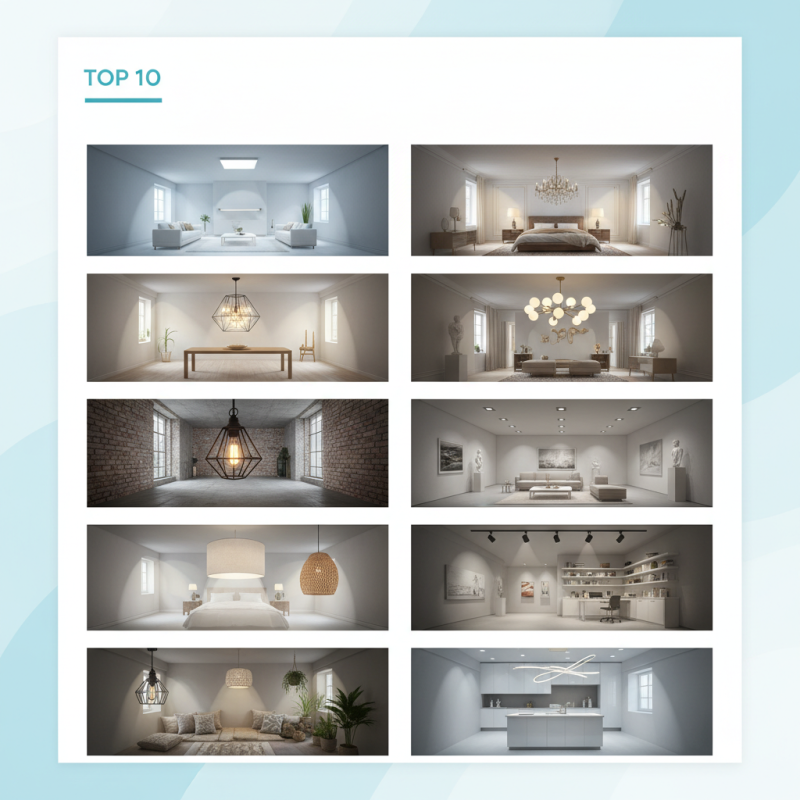
Top 10 Ceiling Lamp Designs That Brighten Any Space
| Design Style |
Material |
Light Source |
Brightness (Lumens) |
Style Suitability |
| Modern Minimalist |
Metal & Glass |
LED |
800 |
Living Room, Bedroom |
| Industrial |
Steel & Wood |
Incandescent |
1000 |
Kitchen, Dining |
| Vintage Edison |
Glass |
Incandescent |
600 |
Living Room, Office |
| Contemporary |
Fiberglass & Acrylic |
LED |
900 |
Office, Gallery |
| Rustic |
Reclaimed Wood |
LED |
850 |
Living Room, Cabin |
| Pendant |
Glass & Metal |
Halogen |
700 |
Dining Room, Kitchen |
| Flush Mount |
Plastic & Metal |
LED |
800 |
Hallway, Bathroom |
| Chandelier |
Crystal |
Incandescent |
1200 |
Dining Room, Entryway |
| Track Lighting |
Aluminum |
LED |
950 |
Gallery, Workshop |
Overview of Different Types of Ceiling Lamps Available on the Market
Ceiling lamps offer a versatile lighting solution for various spaces. There are several types to consider, each serving different aesthetic and functional purposes. Flush mount, pendant, and chandelier styles are among the most popular. A recent report from the American Lighting Association shows that LED ceiling lamps are preferred by 75% of homeowners due to their energy efficiency and long lifespan.
Flush mount lights are ideal for low ceilings. They provide a sleek, unobtrusive appearance while offering even illumination. Meanwhile, pendant lamps become a focal point and are perfect for dining areas or kitchens. The market shows a growing trend toward mixed materials in lamp designs, enhancing their decorative appeal. A study indicates that around 40% of buyers prioritize style over functionality in their lighting choices.
Chandeliers, though often thought of as extravagant, are now available in modern designs that suit any interior. Many consumers seek out budget-friendly options without compromising on quality. The evolving preferences show a desire for unique designs that blend aesthetics with practical lighting needs. This shift in consumer behavior suggests a need for ongoing education about available options and their benefits.
Key Design Elements to Consider When Selecting Ceiling Lamps
When selecting ceiling lamps, consider a few crucial design elements. The right lamp not only illuminates a space but also enhances its aesthetic appeal. A recent report from the American Lighting Association indicates that nearly 70% of homeowners prioritize style alongside functionality when choosing lighting fixtures.
The size and shape of the ceiling lamp are vital. A large, bold design may dominate a small room, while a minimalist piece can create a sense of openness. Height is another factor; a low-hanging fixture can provide a cozy atmosphere but may impede movement in high-traffic areas. Pay attention to light distribution as well. A well-designed lamp will cast even light across the room without harsh shadows.
Material choice affects both the look and the lamp's durability. For instance, metal shades suggest a modern vibe, while glass can introduce elegance and sophistication. Interestingly, a survey by LightFair suggests that 58% of designers advocate for eco-friendly materials. This signals a shift toward sustainability in lighting design. Balancing aesthetics with practicality can be challenging, and every choice contributes to the overall ambiance of the space.
Top 10 Innovative Ceiling Lamp Designs for Modern Interiors
Ceiling lamps play a crucial role in modern interiors. Their design often speaks volumes about the overall aesthetic of a space. When selecting a lamp, consider its style and functionality. A sleek, minimalist option complements contemporary decor while providing ample light. Alternatively, a bold, artistic design can serve as a conversation starter in any room.
Materials also impact the effectiveness of ceiling lamps. Metal fixtures add a touch of sophistication and durability. On the other hand, glass designs create an airy feel. Fabrics can soften the look, but cleaning may become an issue. Reflecting on the balance of aesthetics and practicality is vital for homeowners.
The placement of the lamp is equally important. Centering it over a dining table enhances ambiance during meals. In contrast, strategic lighting over artwork can highlight details and add depth. Consider shadows and light dispersion. Imperfections in design can add character. Explore unique options that tell a story or evoke memories. Each choice in ceiling lamp design should support a harmonious and functional space.
Tips for Integrating Ceiling Lamps into Various Room Styles
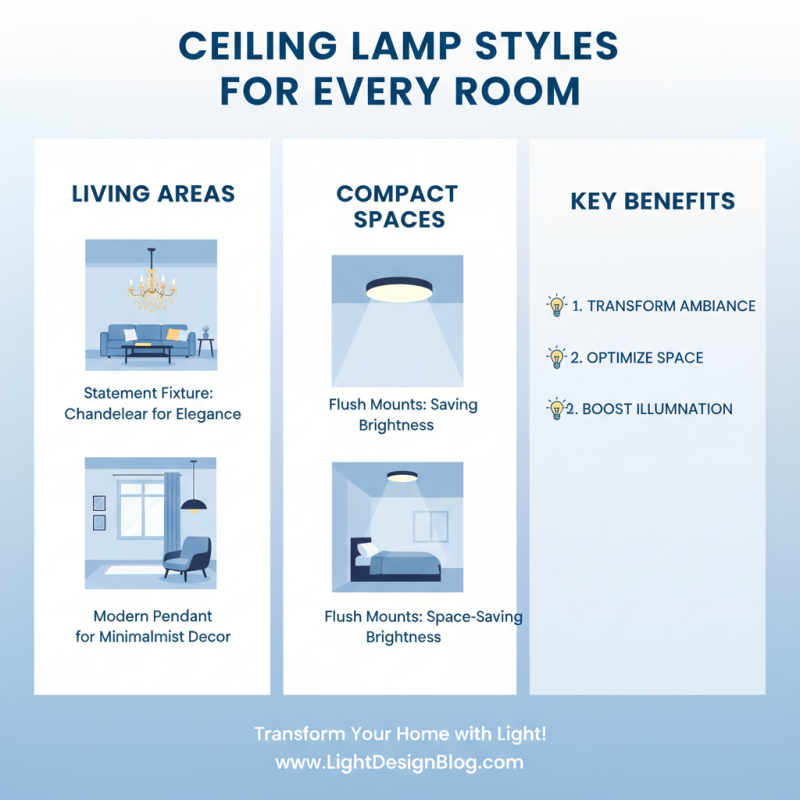
Choosing the right ceiling lamp can transform any room dramatically. In living areas, opt for a statement fixture. A chandelier adds elegance, while a modern pendant can highlight minimalist decor. If the space is compact, try flush mounts. They don’t overwhelm, yet still provide bright light.
In bedrooms, consider softer lighting options. A warm-toned ceiling lamp promotes relaxation. A delicate fixture can add romance and serenity. Ensure it harmonizes with your decor style. In kitchens, bright, focused lighting is essential. Sleek designs can bring a modern edge, making your kitchen feel contemporary.
Experimenting with varying heights and arrangements can lead to unexpected aesthetics. Don’t be afraid to mix styles. A vintage chandelier might contrast beautifully with modern furniture. Consider your room's function. Sometimes, the best choice may not be the most obvious one. Let your personal taste shine through while maintaining practicality.