Best Ceiling Lamp Designs for Stunning Home Ambiance?
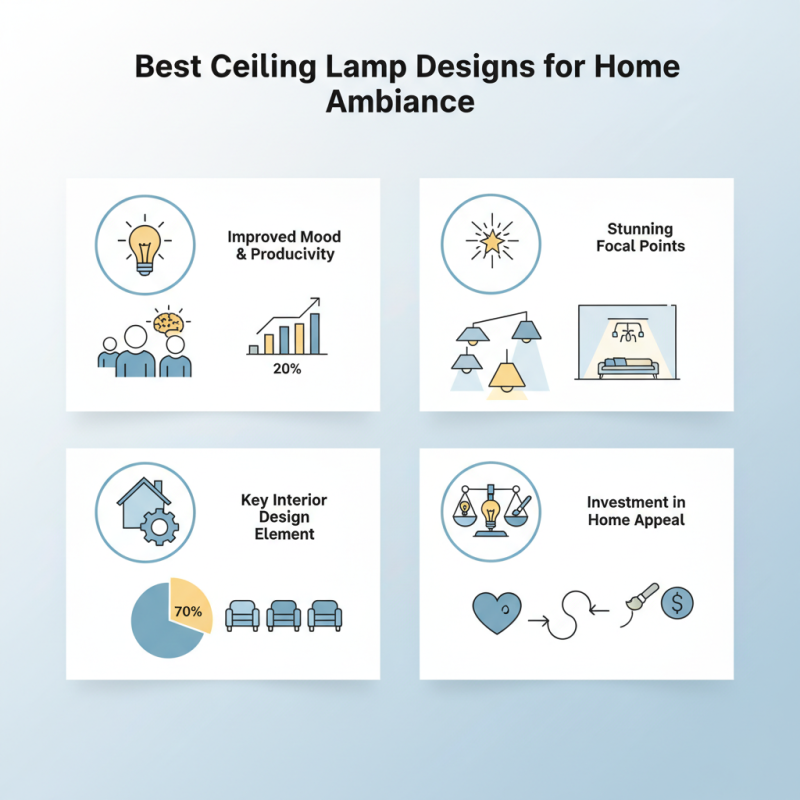
When it comes to enhancing home ambiance, the design of ceiling lamps plays a pivotal role. According to industry reports, well-designed lighting can improve mood and productivity by up to 20%. This highlights the importance of selecting the right ceiling lamp for your space.
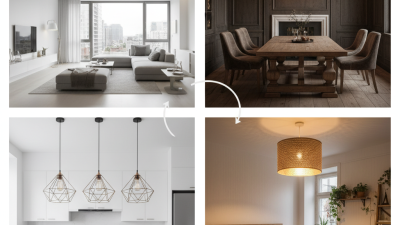
Ceiling lamps not only provide essential illumination but also serve as stunning focal points. With various styles available, homeowners have endless options to explore. From sleek modern designs to ornate traditional styles, the right choice can transform a room's atmosphere. Research indicates that up to 70% of homeowners consider lighting as a key element in their interior design.
However, the array of options can be overwhelming. Some may struggle to balance functionality and aesthetics. Choosing a ceiling lamp that resonates with personal style while fulfilling practical needs requires careful consideration. Reflecting on these aspects can lead to a more harmonious living environment. The perfect ceiling lamp is not just a choice—it’s an investment in your home’s overall appeal.
Understanding Ceiling Lamps: Types and Functions
Ceiling lamps play a crucial role in defining the ambiance of a space. With various types and functions, they can transform any room. Basic types include flush mounts, pendant lights, and chandeliers. Each type offers a distinct style and light distribution.
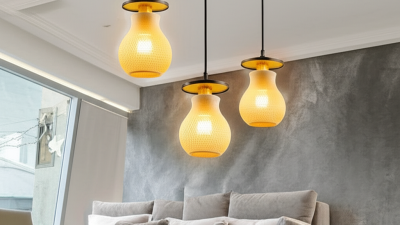
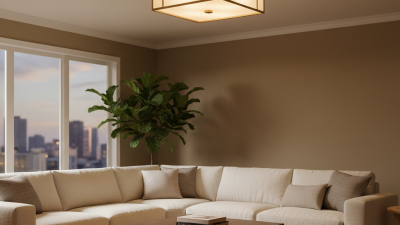
Flush mounts are ideal for low ceilings and provide a sleek look. Pendant lights hang lower, adding a focus to dining areas or kitchen islands.
The function of a ceiling lamp goes beyond mere illumination. It sets the mood for gatherings or quiet evenings. Bright, white light can energize a workspace, while warm, dim lighting invites relaxation. Choosing the right type depends on the room's purpose and design. Experimenting with styles can lead to unexpected pairings.
Not everyone is aware of how light placement influences perception. A poorly placed lamp can create shadows and disrupt the flow. Reflect on your existing setup and how it feels. Is it cozy or overwhelming? Sometimes, simplicity is more effective. Finding balance might take time, but it is worth exploring various designs and functions.
Key Design Elements for Stunning Ceiling Lamps
Ceiling lamps can transform any room. They set the mood and enhance the overall design. According to a recent industry report, lighting accounts for approximately 20% of a home’s aesthetic appeal. Therefore, it's essential to consider key design elements when selecting a ceiling lamp.
Form and function are both critical. A well-designed lamp should provide adequate illumination while complementing the room's decor. Industry experts suggest that shapes like geometric designs or organic forms are trending this year. These styles tend to create visual interest and can be focal points in a room. Material also plays a significant role. Mixing metals with glass or wood creates texture and depth, enhancing the ambiance.
However, not every lamp works for every space. An oversized fixture in a small room can feel oppressive. Conversely, a tiny lamp in a vast area may look lost. Consideration of scale and proportion is vital. The height at which a lamp hangs impacts its effectiveness, as well. Reports reveal an optimal hanging height of 30 inches above a dining table ensures enough light without obstructing views. Balancing these elements results in stunning yet functional designs.
Best Ceiling Lamp Designs for Stunning Home Ambiance
| Design Style |
Material |
Color Options |
Light Source Type |
Dimensionality |
| Modern Minimalist |
Metal, Glass |
Black, White, Silver |
LED |
Slim, Flat |
| Rustic Vintage |
Wood, Iron |
Brown, Gold, Cream |
Incandescent, LED |
Large, Ornate |
| Industrial |
Metal, Concrete |
Black, Grey, Bronze |
LED, Halogen |
Hanging, Bulk |
| Art Deco |
Glass, Crystal |
Gold, Blue, Clear |
LED, Fluorescent |
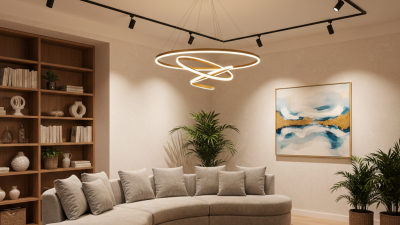
Geometric, Layered |
| Scandinavian |
Wood, Fabric |
White, Light Oak, Grey |
LED, Energy-saving |
Simple, Functional |
Color and Material Choices for Ambiance Enhancement
Lighting plays a crucial role in setting the tone of a home.
Color and material choices significantly elevate ambiance.
Warm tones like amber and soft white create a cozy feel while cooler tones promote alertness.
According to a recent industry report, the right lighting color can increase productivity by up to 40%.
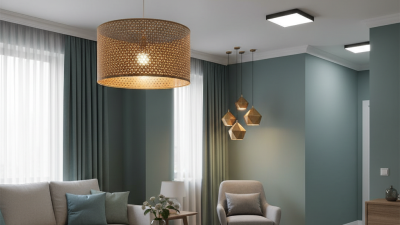
Materials also impact the ambiance. For instance, glass and metal reflect light beautifully, adding elegance, while wood creates a more rustic feel.
When selecting ceiling lamps, consider the room's purpose.
In a home office, opt for brighter, cooler lighting.
In contrast, living areas benefit from warm, diffused light.
Layering is essential.
Combining different light sources can enhance depth without overwhelming the space. Remember, it's about balance.
Tips: Explore how textures influence perception.
A lampshade's fabric can soften or intensify light.
Experimenting with colors can yield surprising results.
Always analyze how your chosen fixtures affect the room throughout the day.
Reflect on your existing choices.
Are they still relevant?
Sometimes, a simple change can refresh a space.
Regenerating your lighting setup can transform an atmosphere dramatically.
Placement Tips for Optimal Light Distribution
When planning the placement of ceiling lamps, consider the room’s purpose. A living room might need softer light, while the kitchen requires brighter illumination. Place the lamp at least seven feet from the floor for optimal glow. This height ensures ample light coverage while preventing shadows.
Tips for placement include focusing on the room’s layout. Centering the lamp above a coffee table or dining table enhances ambiance. For hallways or staircases, consider mounting lights along the path. This creates a welcoming atmosphere and improves safety.
The size and type of the lamp also matter. Larger rooms may benefit from multiple fixtures. A single lamp might not suffice for effective light distribution. Experiment with different bulb types for warmth or brightness. This can alter the room’s feel, making it cozier or more vibrant.
Maintenance and Care for Longevity of Ceiling Lamps
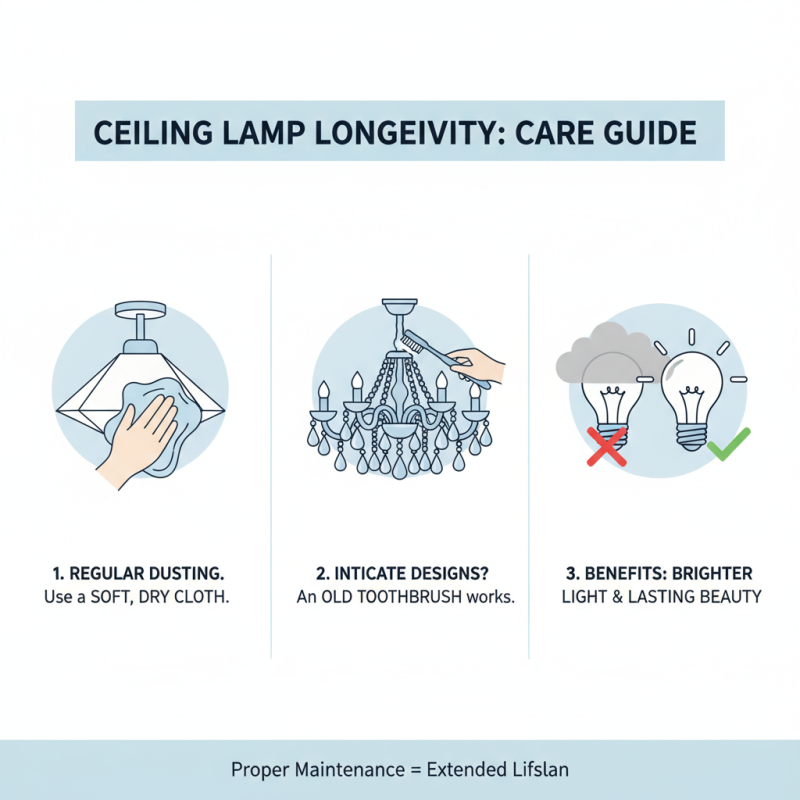
When it comes to ceiling lamps, proper maintenance is key to ensuring their longevity. Regular dusting is essential. Dust build-up can diminish light output and affect the lamp's appearance. Use a soft, dry cloth to gently wipe the surface. For fixtures with intricate designs, an old toothbrush can help reach those tight spaces.
It's also important to check the bulbs periodically. Regularly changing bulbs that flicker or are dim will maintain the desired ambiance. Moreover, be aware of the wattage your fixtures can handle; exceeding it can cause damage. Look for signs of wear, such as frayed cords or loose fittings. If you notice anything unusual, it may need professional attention.
Moreover, consider the environment your lamp is in. Areas with high humidity can affect electrical fixtures. If your lamp hangs in such a space, opt for moisture-resistant designs. This minor adjustment can enhance the lifespan significantly. Always consult the installation guide for care tips specific to your lamp. A little effort can go a long way in keeping your ceiling lamps functioning beautifully.