What is the Best Ceiling Lamp for Your Home Lighting Needs?
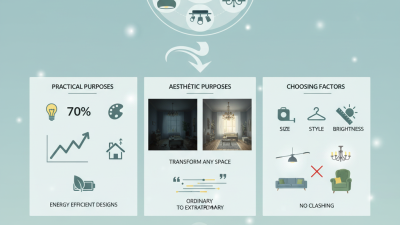
Choosing the right ceiling lamp can transform your home environment. According to the National Lighting Bureau, effective lighting accounts for 10-20% of energy savings in residential spaces. A well-chosen ceiling lamp improves ambiance and functionality.
Lighting expert Dr. Emily Bright states, "The right ceiling lamp can enhance both aesthetics and energy efficiency." Her insights underscore the importance of selecting fixtures that blend style with purpose.
When considering options, think about the room's function and design elements. A ceiling lamp should not only provide light but also complement the overall decor. Many homeowners overlook this balance, leading to unsatisfying results. With so many choices available, understanding your home lighting needs is crucial.
Understanding Different Types of Ceiling Lamps and Their Uses
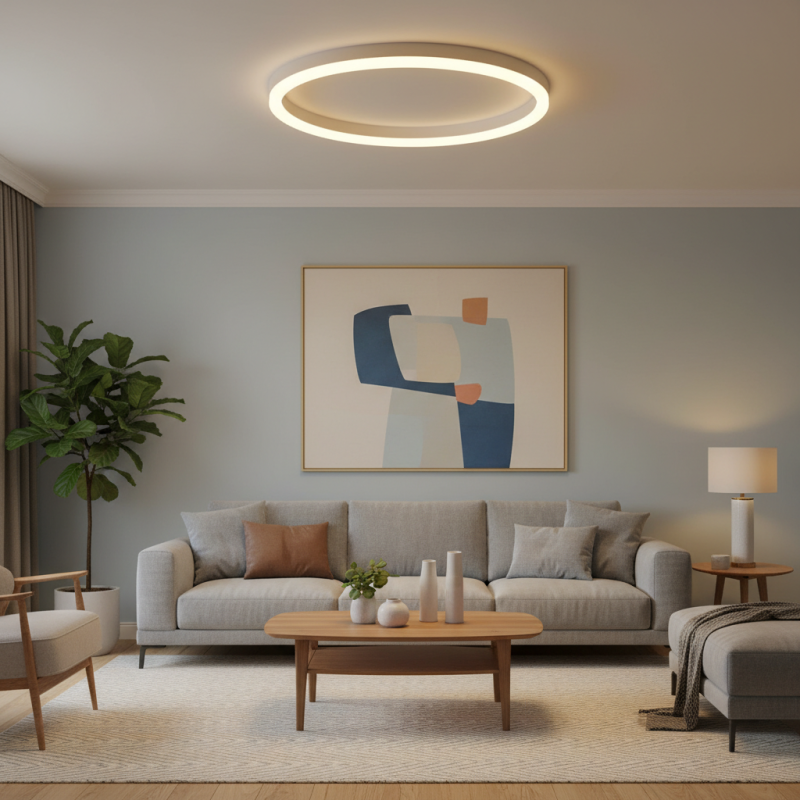
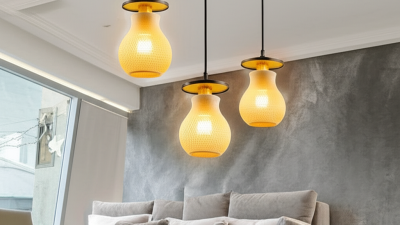
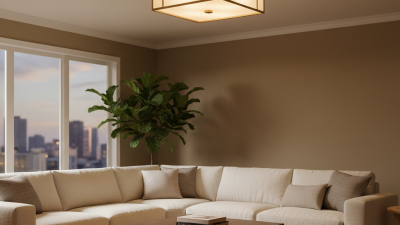
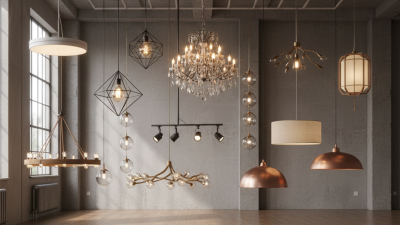
When selecting a ceiling lamp, it's essential to understand the various types available. Different styles serve distinct purposes. For instance, flush mount lamps are perfect for low ceilings. They provide ambient light without taking up space. Pendant lights, on the other hand, can add character to dining areas. They hang from the ceiling and can create a focal point.
Consider your room's function when choosing a ceiling lamp. In kitchens, bright light is crucial for tasks. A chandelier may be ideal for a living room, adding elegance. However, think about the maintenance. Some fixtures collect dust more easily, requiring regular cleaning. Assessing light intensity is also vital—overly bright lights can be uncomfortable, while dim ones may not provide enough illumination.
Your personal style should guide your choices, too. Some may prefer modern, sleek designs. Others might lean towards vintage or rustic options. Don't hesitate to experiment. Lighting can dramatically affect a room’s atmosphere. Sometimes, the wrong choice feels off. A layered lighting approach can help you find balance. This may include combining ceiling lights with floor lamps or wall sconces for depth.
What is the Best Ceiling Lamp for Your Home Lighting Needs?
| Type of Ceiling Lamp |
Defining Features |
Best Uses |
Light Source Type |
Average Price (USD) |
| Flush Mount |
Sits close to the ceiling, simple design |
Hallways, bedrooms, small spaces |
LED, incandescent |
$30 - $150 |
| Chandelier |
Decorative, hangs from the ceiling |
Dining rooms, entryways |
Incandescent, LED |
$100 - $1500+ |
| Pendant Light |
Single fixture hanging from a chain or rod |
Kitchens, living rooms, islands |
LED, incandescent |
$50 - $300 |
| Recessed Lighting |
Sits above the ceiling, provides subtle light |
Living rooms, offices, accent lighting |
LED, fluorescent |
$20 - $150 |
| Track Lighting |
Adjustable fixtures on a track |
Art galleries, modern spaces |
LED, halogen |
$50 - $400 |
Evaluating Brightness: Lumens and Wattage for Optimal Home Lighting
When evaluating brightness for home lighting,
lumens and wattage play crucial roles.
Lumens indicate the amount of visible light emitted.
More lumens mean a brighter light. For example, a typical living room might need about
1,500 to 3,000 lumens. However, factors like room size
and color can affect this number. Choosing the right brightness can be challenging.
Wattage measures energy consumption, not brightness. An older 60-watt bulb produced about
800 lumens. Today, energy-efficient bulbs use fewer watts for the same brightness.
This can be confusing. Many people still equate high wattage with bright light.
It's essential to focus on lumens when selecting ceiling lamps for your home.
For cozy settings, fewer lumens can create the right ambiance.
Consider your lifestyle. Do you need bright light for reading or a
softer glow for evenings? Personal preferences
vary widely. Some areas may require brighter lights than others.
Experimenting can lead to
the right choice. You might even find that you need to adjust your fixtures over
time. Lighting is not one-size-fits-all; it should reflect your needs and improve
your home's atmosphere.
Material Matters: Choosing the Right Finish for Ceiling Lamps
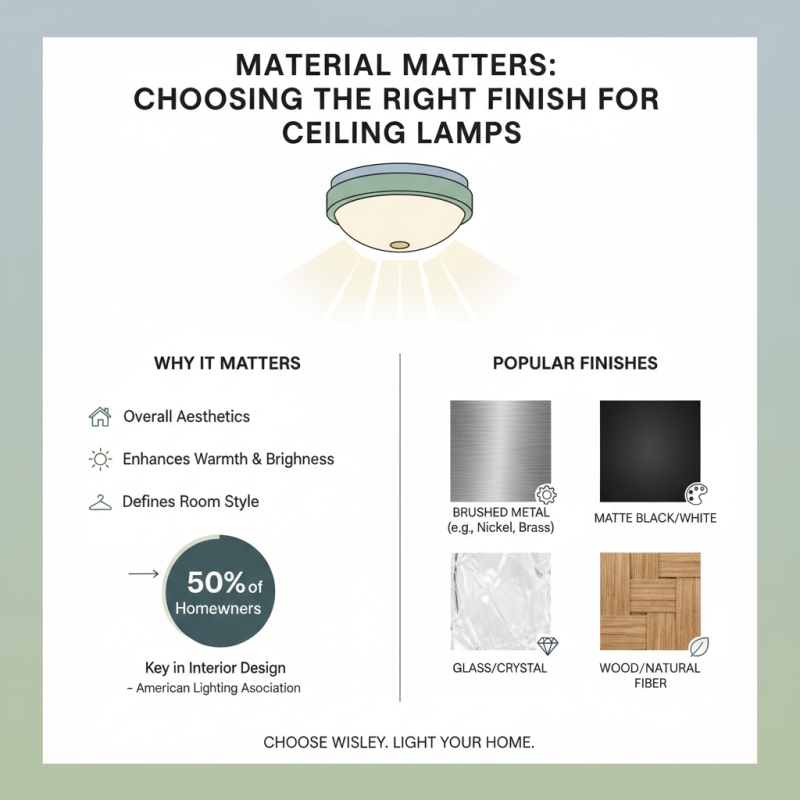
Choosing the right finish for ceiling lamps significantly influences the overall aesthetic and functionality of your home. According to the American Lighting Association, around 50% of homeowners consider lighting as a key element in interior design. A well-chosen surface can enhance the warmth, brightness, and style of your space.
Metal finishes, such as brass or chrome, provide a modern touch. They are durable and often easy to clean. Wood finishes, on the other hand, can add warmth and a natural vibe. They pair beautifully with organic themes. However, wood may require more maintenance to preserve its look over time.
Tip: When selecting a finish, consider the existing decor. Balance is essential for a cohesive look. The wrong finish may clash with your style, leading to a discordant space.
Glass finishes can transform light diffusion in a room. Frosted options soften the brightness, creating a gentler atmosphere. Clear glass provides a more vibrant illumination but can sometimes feel harsh. Each option serves different lighting needs.
Tip: Test samples of finishes in your space. Natural light changes throughout the day, and this can alter how a finish appears. Would a darker finish enhance the intimate feel? Or would a lighter hue open up the room? Taking the time to evaluate these choices is critical for achieving your desired ambiance.
Energy Efficiency: LED vs. Traditional Bulbs in Ceiling Lighting
When considering ceiling lighting, energy efficiency is a crucial factor.
LED bulbs have gained popularity as a sustainable option compared to traditional incandescent bulbs.
According to the U.S. Department of Energy, LED bulbs use at least 75% less energy than incandescent bulbs.
This shift not only lowers electricity bills but also reduces greenhouse gas emissions significantly.
Moreover, the lifespan of LED bulbs is impressive. They last about 25,000 hours, while incandescent bulbs typically last around 1,000 hours.
This longevity means fewer replacements and less waste. Some households may hesitate to switch due to the higher upfront cost of LEDs.
However, the long-term savings on energy costs often offset this initial investment.
It’s important to evaluate your specific lighting needs. Not all LED bulbs provide the same quality of light.
Some people prefer warmer tones, while others opt for cooler colors.
Familiarizing yourself with various options can help avoid dissatisfaction.
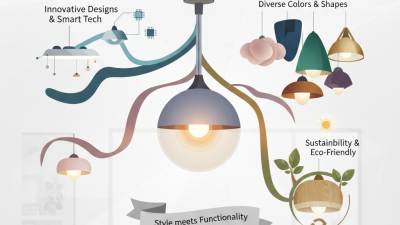
Choosing the right ceiling lamp involves balancing aesthetics, functionality, and energy efficiency.
This requires careful thought and personal preference to achieve the best results for your home.
Design Considerations: Integrating Ceiling Lamps with Home Aesthetics
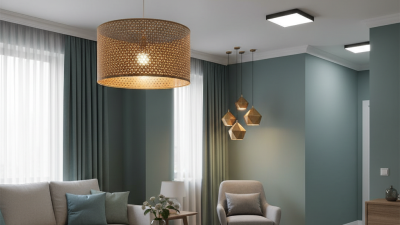
When selecting a ceiling lamp, aesthetics play a crucial role. A well-chosen fixture can enhance a room's character and create a mood. Consider the existing decor, texture, and colors. A minimalist lamp might suit a modern space, while a vintage piece can add charm to a rustic room. Think about the scale too. An oversized fixture can dominate a small room, while a tiny lamp might get lost in a vast space.
Light quality is another factor to reflect on. Warm tones create a cozy ambiance, perfect for living areas. Bright white light can energize a workspace or kitchen. Don’t forget about the lamp's placement. Too low can feel cramped, while too high may compromise functionality. It's all about balance. Experiment with different styles and heights to see what resonates with your vision.
Finally, practicality should not be overlooked. Energy efficiency is vital in today’s eco-conscious world. Opt for options that are long-lasting. Regular cleaning may be needed depending on your choice. Dust can dull the brightness, so maintenance impacts aesthetics directly. Reflect on your priorities. The right lamp can bring harmony to your space, but it should also fit your lifestyle and habits.