2026 Top Aromatherapy Lamp Trends for Global Buyers?
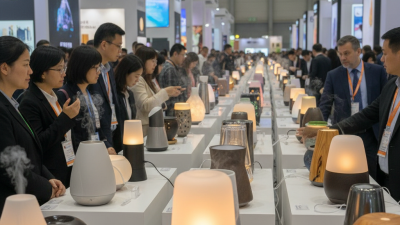
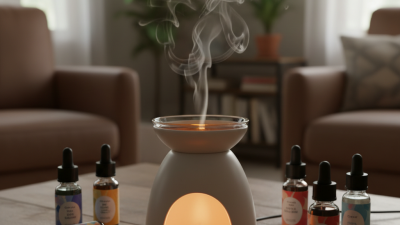
The world of aromatherapy is evolving rapidly, and the Aromatherapy Lamp market is at the forefront of this change. According to market analysis, the global aromatherapy market is projected to reach approximately $4 billion by 2026, growing at a CAGR of 8% from 2021. This growth indicates a burgeoning interest in holistic wellness solutions. Aromatherapy Lamps are not just functional; they are also aesthetic elements that enhance any space, providing both visual and olfactory benefits.
As consumers become more health-conscious, the demand for a diverse range of Aromatherapy Lamps is increasing. Buyers now seek products that feature modern designs, sustainable materials, and customizable settings for essential oils. Reports suggest that nearly 70% of buyers prioritize eco-friendly options. Yet, with this rush toward innovation, it’s essential to remain cautious. Not every product on the market meets safety and quality standards. Some Aromatherapy Lamps may not perform as advertised, and potential buyers need to research thoroughly before making a purchase.
The trends for 2026 reveal exciting opportunities. Smart technology integration in Aromatherapy Lamps is on the rise, including features like app control and automatic timers. However, not every trend translates to real-world efficacy. The challenge remains to discern which innovations enhance user experience and which are merely gimmicks. As the market matures, informed choices will be crucial for consumers looking to enrich their lives through aromatherapy.
Emerging Aromatherapy Lamp Designs for 2026
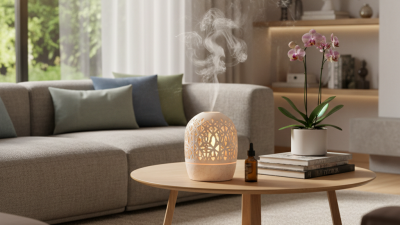
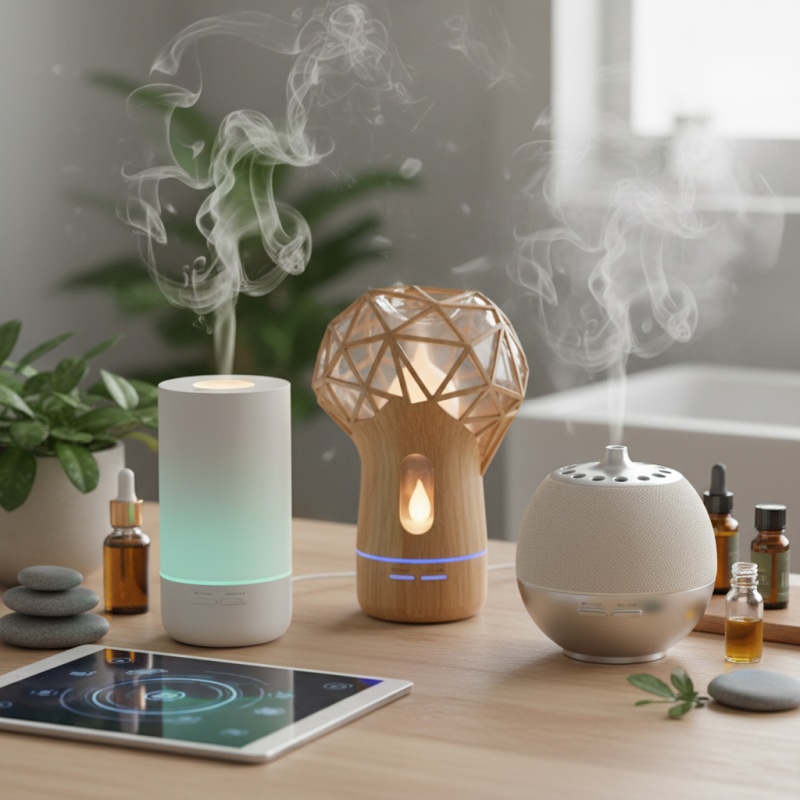
As we look towards 2026, aromatherapy lamps are evolving. Emerging designs emphasize functionality and aesthetics. A minimalist approach is gaining popularity, with sleek shapes and calming colors. These designs not only serve a practical purpose but also enhance home decor.
**Tips:** Consider the mood you want to create. Soft, warm light often promotes relaxation. Opt for lamps that blend seamlessly with your interior. An aromatherapy lamp should feel like a natural part of your space.
Another trend is the integration of smart technology. Some lamps will sync with your smartphone. This allows for personalized scent diffusing schedules. Users can control intensity and timing with ease.
**Tips:** When choosing a smart lamp, ensure compatibility with your devices. Research the app functionality to enhance usability. Sometimes, too many features can cause confusion. Simplicity can be more beneficial, leading to a user-friendly experience.
2026 Top Aromatherapy Lamp Trends for Global Buyers
| Design Trend |
Materials |
Color Palette |
Functionality |
Target Audience |
| Minimalist Designs |
Glass, Bamboo |
Neutral Tones |
Essential Oil Diffusion |
Young Professionals |
| Smart Technology Integration |
Plastic, Metal |
Bright Colors |
App-Controlled Features |
Tech Enthusiasts |
| Eco-friendly Designs |
Recycled Materials, Cork |
Earthy Tones |
Sustainable Aromatherapy |
Eco-conscious Consumers |
| Artistic and Sculptural |
Ceramics, Stone |
Vibrant Hues |
Aesthetic Appeal |
Art Lovers |
| Vintage and Retro Styles |
Glass, Brass |
Warm Vintage Colors |
Ambient Lighting |
Home Decor Enthusiasts |
Sustainable Materials in Aromatherapy Lamps: Trends to Watch
The trend of using sustainable materials in aromatherapy lamps is gaining momentum. According to recent industry reports, the global demand for eco-friendly products is set to rise by over 50% by 2026. Consumers increasingly prefer products made from natural resources, such as bamboo, recycled glass, and soy-based wax. These materials not only reduce environmental impact but also enhance the aesthetic value of aromatherapy lamps.
Experts emphasize the importance of sustainable sourcing. Many manufacturers are now prioritizing ethically sourced materials in their production processes. This shift is driven by a growing awareness of environmental issues and consumer preferences. Data indicates that 75% of buyers in the aromatherapy market are willing to pay more for a product that supports sustainability.
Despite the progress, challenges remain. The supply chain for sustainable materials can be inconsistent. This inconsistency sometimes leads to variations in quality. Brands must invest in better sourcing practices to ensure reliability. Transparency in material origin is becoming increasingly crucial for consumer trust. In the dynamic market of aromatherapy lamps, these elements are essential for long-term success.
Smart Technology Integration in Aromatherapy Lamps
The integration of smart technology into aromatherapy lamps is revolutionizing how we experience relaxation. These modern lamps not only disperse soothing scents but also offer features that enhance user convenience. Imagine controlling your lamp via a smartphone app or voice command. This creates a personalized environment tailored to your preferences.
Tips: Look for devices with programmable settings. This allows you to adjust light intensity and scent diffusion times according to your schedule. Additionally, consider choosing lamps that sync with your smart home systems. This integration can lead to a seamless aromatherapy experience.
Another notable trend is the use of sensors in these lamps. Some models can detect your mood based on environmental cues and adjust their settings accordingly. This innovative feature leads to a more responsive and tailored aromatherapy session. However, not all technology is perfect. Users may encounter connectivity issues or difficulty navigating apps. It's important to choose models with user-friendly interfaces and reliable customer support.
Popular Essential Oil Combinations for Aromatherapy Lamps in 2026
Aromatherapy lamps are gaining popularity in 2026. Many users are exploring essential oil combinations to enhance their experience. Popular blends include lavender and eucalyptus, known for promoting relaxation and clearer breathing. Another favored mix is citrus oils, like lemon and orange, which can uplift mood and energize spaces.
Here's a tip: Always test new combinations in small amounts. This allows you to see how scents blend in your space. If a mix feels overpowering, try diluting it with a carrier oil. Creating the perfect blend can take time. Don't rush the process.
Consider the setting when choosing your oils. Calming scents work well in bedrooms, while invigorating blends suit workspaces or living areas. Think about personal preferences too. Some people find florals overwhelming, while others adore them. Everyone’s experience is unique, so trust your instincts to find the best aromas for your needs.
2026 Top Aromatherapy Lamp Trends for Global Buyers
Consumer Preferences and Aesthetic Trends in Aromatherapy Lighting
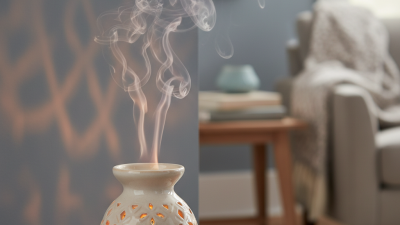
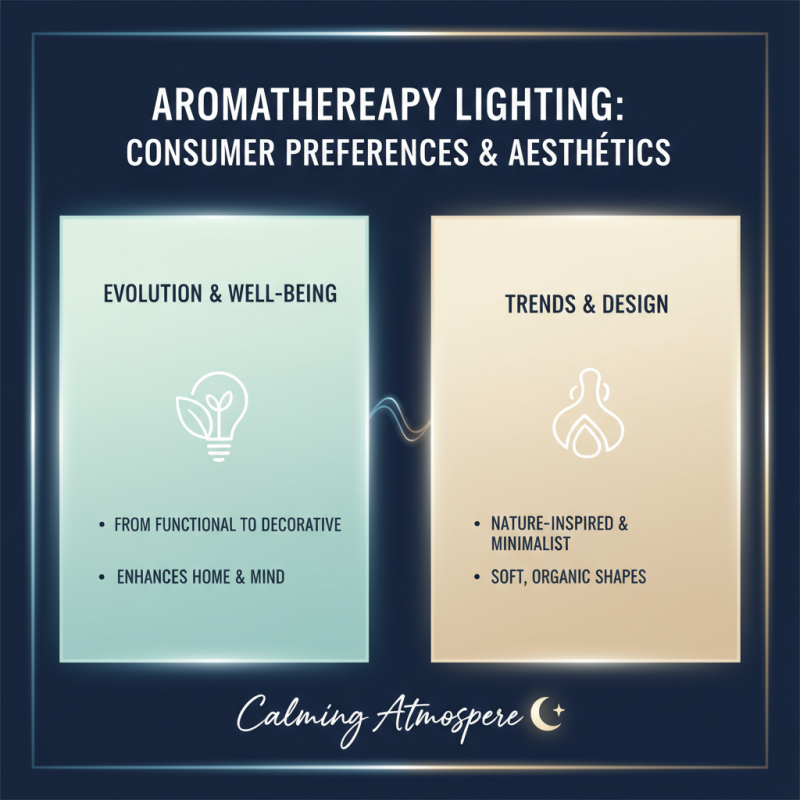
In recent years, aromatherapy lamps have evolved from simple functional items to stylish decor pieces. Consumers now seek lamps that align with their personal aesthetics while enhancing their well-being. This has led to a rise in unique designs, often inspired by nature or minimalism. Soft, organic shapes are becoming popular, creating a calming atmosphere at home.
Color plays a significant role in consumer preferences as well. Many are drawn to lamps with adjustable light settings, allowing customization for different moods. Cool blues and warm ambers are popular choices. However, some designs remain cluttered, leaving consumers frustrated with their options. The balance between functionality and design is crucial but challenging to achieve.
Additionally, eco-friendly materials have gained traction in the market. Buyers increasingly appreciate lamps made from sustainable resources. This trend reflects a growing awareness of environmental impact. Yet, not all brands prioritize these materials, leading to confusion for mindful shoppers. As preferences shift, understanding the balance of aesthetics and sustainability will be vital for future trends.