In modern living spaces, the right lighting transforms a home. Among various lighting options, the floor lamp stands out. Its versatility allows it to fit into any room. Whether it’s a cozy reading nook or a chic living room, floor lamps enhance the ambiance.
As we move toward 2026, trends in floor lamp designs reflect evolving styles. Arched, minimalist, and smart floor lamp designs are gaining popularity. They not only provide light but also serve as statement pieces. Choosing the right lamp can elevate your interior design game. However, many still overlook this essential element.
Selecting a floor lamp isn’t just about aesthetics. It's important to consider functionality and comfort. Some designs can be impractical. Low-quality materials can diminish their appeal over time. Exploring trends helps us learn which lamps fit best. Each style carries a unique charm, yet not all are suitable for every space.
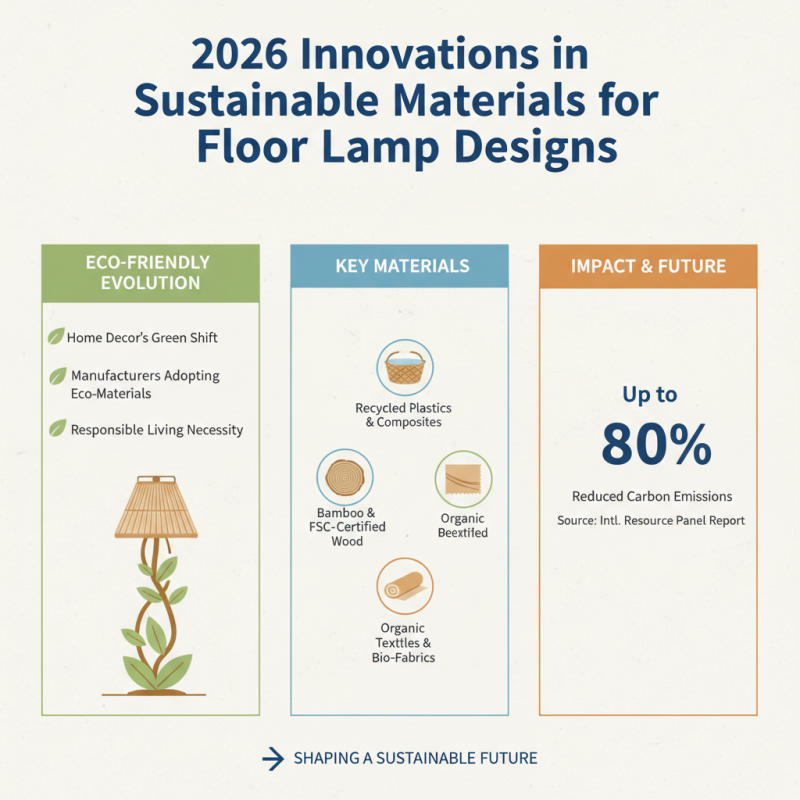
Sustainable materials are shaping the future of floor lamp designs. As home decor evolves, many manufacturers are turning to eco-friendly options. According to a recent report by the International Resource Panel, sustainable materials can reduce carbon emissions by up to 80%. This shift is not just a trend; it’s a necessity for responsible living.
Bamboo, recycled metals, and biodegradable plastics are becoming popular choices. These materials are not only renewable but also offer unique aesthetics. For instance, bamboo provides warmth and texture to modern interiors. A report from the Green Building Council highlights that incorporating such elements can enhance a space's overall appeal.
However, there are challenges. The supply chain for sustainable materials can be inconsistent. Some options may lack durability compared to traditional materials. Designers face a balancing act: prioritizing style while ensuring functionality. Consumers are beginning to recognize this complexity. They want beauty without harming the planet. Hence, the conversation around sustainable floor lamp designs is just beginning, and further innovation is essential.
In modern living spaces, floor lamps are more than just light sources. They are essential design elements that enhance a room's aesthetic appeal. Minimalist designs focus on simplicity. Clean lines and neutral colors create a calm environment. A sleek metal frame can elevate a corner nook, offering soft light that complements understated decor.
On the other hand, maximalist approaches celebrate boldness. Bright colors and intricate patterns stand out in any room. A lamp with an oversized shade can become a statement piece, drawing the eye instantly. Designers often mix materials for an eclectic look, combining wood, glass, and metal. However, achieving this balance can be challenging. It’s easy to overwhelm a space if not done thoughtfully.
Choosing between minimalist and maximalist styles can reflect personal taste. Both approaches have unique strengths. Minimalism creates tranquility, but might feel too stark. Maximalism offers vibrancy, yet could become chaotic if elements clash. It’s crucial to strike a balance that reflects your individuality while maintaining harmony in your space.
| Trend Type | Design Elements | Color Palette | Material Used | Ideal Settings |
|---|---|---|---|---|
| Minimalist | Clean lines, simple shapes | Neutral tones, whites, and blacks | Metal, glass | Modern apartments, small spaces |
| Maximalist | Bold patterns, unexpected shapes | Vibrant colors, rich jewel tones | Wood, fabric, resin | Bohemian interiors, large living rooms |
| Scandinavian | Functional, elegant simplicity | Soft pastels, earthy tones | Natural wood, textile | Cozy homes, minimalist rooms |
| Industrial | Raw, unfinished looks | Greys, blacks, metallics | Steel, concrete | Lofts, urban settings |
| Retro | Playful forms, nostalgic themes | Bold colors, patterns | Plastic, chrome | Vintage-inspired spaces, eclectic homes |
In 2026, floor lamps are embracing smart technology like never before. These innovative designs are integrating seamlessly into smart homes. A recent industry report highlights that smart lighting controls will grow by 30% annually. This indicates strong consumer interest in tech-driven solutions. Smart floor lamps can now respond to voice commands or mobile apps. Users can create custom lighting scenes with just a few taps.
People desire convenience. This trend shows a blend of functionality and style. Nevertheless, with advancements come challenges. Not every model offers user-friendly options. Some lamps can be complicated to set up or calibrate. This can lead to frustration. Ensuring compatibility with existing smart home systems is crucial. Research suggests that 65% of users prefer multifunctional designs, emphasizing the need for simplicity.
Tips: Choose a smart lamp with intuitive controls. Look for models offering easy app integration. Consider energy-efficient lighting options to save on bills. These selections can enhance aesthetics and performance. Ultimately, opt for designs that balance technology and user experience.
The aesthetics of floor lamps have evolved significantly, reflecting the current trends in interior design. Color plays a crucial role in this transformation. Bold hues are at the forefront of floor lamp designs. Reports indicate that 60% of consumers prefer vibrant colors in their home lighting. This shift suggests a desire for personal expression through decor. Bright blues, reds, and greens add drama to any living space, making them focal points.
Textures also contribute to the lamp's overall appeal. The use of materials like velvet and matte finishes has surged. These textures enhance the visual interest of floor lamps. Textured surfaces can create dynamic light reflections, enriching a room's atmosphere. According to industry studies, 55% of designers report that texture influences buyer decisions.
However, there's a challenge in balancing bold color choices with existing decor. Consumers often feel overwhelmed by the options. It can be difficult to ensure a harmonious space. Designers may need to guide clients in making choices that align with their vision yet remain cohesive. This reflects a growing awareness of the importance of selecting the right elements for modern living.
In the evolving world of interior design,
multifunctional floor lamps
are gaining popularity. These lamps do more than just illuminate. They blend seamlessly into modern living spaces,
serving various needs. For example, a lamp with built-in shelving can hold books or plants.
This makes it both a light source and a decorative feature.
A floor lamp that doubles as a side table can save space in small apartments.
Imagine a lamp sitting next to your sofa, offering light and a surface for drinks.
However, not all multifunctional designs work well in every style. The balance between function and aesthetics can sometimes feel off.
A lamp may provide utility but clash with your decor.
In addition, technology integrations are becoming common.
Some lamps now include USB ports for charging devices. This versatility is convenient but can make styling them more challenging.
You might find yourself struggling to hide cords while trying to maintain a clean look.
It's essential to think about how these lamps fit into your space long-term.