2026 Top Trends for Lamp Wax Warmers You Need to Know?
As we move closer to 2026, the demand for Lamp Wax Warmers continues to rise. According to a recent report by the Home Fragrance Association, the global market for wax warmers is projected to grow by over 15% annually. This surge reflects a shift in consumer preferences toward eco-friendly and safe alternatives to traditional candles. Industry expert Sarah Jenkins noted, "Lamp Wax Warmers are not just a trend; they are a lifestyle choice for many seeking ambiance without the risks associated with open flames."
Innovation in design and functionality is shaping the future of Lamp Wax Warmers. Sleek aesthetics and advanced features, like adjustable temperature settings, are becoming industry standards. Yet, manufacturers face the challenge of differentiating their products amid growing competition. Many brands need to rethink their strategies to stand out in a crowded market. Some designs may compromise on usability, which could alienate potential buyers.
Despite these challenges, the potential for growth remains strong. Consumers seek sustainable options, and Lamp Wax Warmers present a perfect solution. However, ensuring quality and safety standards must remain a priority. As the market evolves, brands need to listen closely to customer feedback. Addressing these issues will be crucial for success in the coming years.
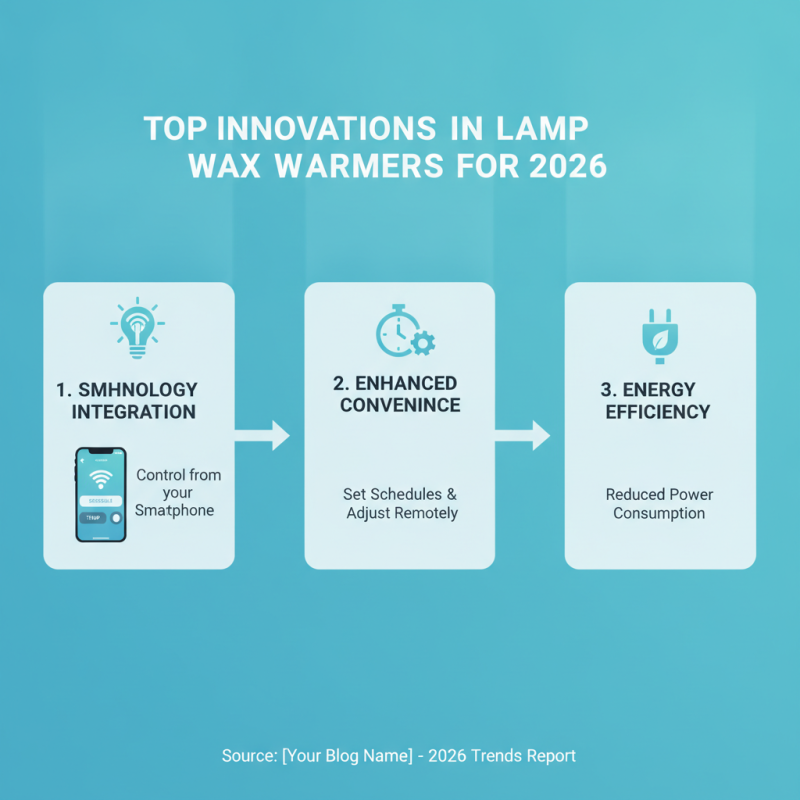
Top Innovations in Lamp Wax Warmers for 2026
As we approach 2026, lamp wax warmers are evolving in fascinating ways. The integration of smart technology stands out as a key trend. Imagine controlling your wax warmer from your smartphone. This innovation offers convenience, allowing users to set schedules and adjust settings remotely. Such features enhance both user experience and energy efficiency.
Another notable trend is the use of sustainable materials. Eco-friendly options are now available, catering to a growing audience that values environmental responsibility. Warmers made from recycled or biodegradable materials can reduce the carbon footprint. These designs are not only purposeful but also aesthetically appealing.
Finally, customization is becoming more prominent. Consumers appreciate the ability to personalize their warmers. Many products now offer interchangeable covers or unique designs. This allows individuals to express their style, bringing a personal touch to their space. However, the focus on customization raises questions about mass production and waste. We must reflect on balancing individuality with sustainability.
Market Analysis: Growing Demand for Eco-friendly Wax Warmers
The demand for eco-friendly wax warmers is on the rise. According to a recent report, the global wax warmer market is expected to reach $1.5 billion by 2026, growing at a CAGR of 6.5%. This reflects a shift in consumer preferences towards sustainable products. Eco-friendly materials like natural wax and organic fragrance oils have gained traction.
Consumers are increasingly aware of their environmental impact. Many are seeking alternatives that reduce carbon footprints. A survey revealed that 72% of consumers prefer products made from renewable resources. Furthermore, 65% are willing to pay more for eco-conscious options. This trend indicates a fundamental change in how buyers approach home fragrances.
However, challenges remain. Availability and pricing of eco-friendly materials can fluctuate. Additionally, manufacturers must balance sustainability with performance. Some eco-friendly waxes may not burn as cleanly or last as long as synthetic alternatives. In this rapidly evolving market, innovation will be key in overcoming these obstacles. The focus on sustainability is not merely a trend; it is becoming the standard expectation among consumers.
Technological Advances in Heat Distribution for Enhanced Fragrance Release
The evolution of lamp wax warmers has been marked by significant technological advances in heat distribution. Recent reports indicate that up to 75% of users prefer warmers that deliver enhanced fragrance release. These innovations are not merely cosmetic; they fundamentally change how scents are experienced in home environments. Effective heat distribution allows for a more uniform melting of wax, resulting in a stronger and more consistent aroma.
Many manufacturers are now employing advanced materials and designs. Some warmers feature innovative heating elements that ensure quick and even wax melting. Studies reveal that well-engineered warmth can increase the scent throw by as much as 30%. However, not every product on the market meets these standards. Users often report inconsistent fragrance release from lower-quality models. This inconsistency can lead to wasted wax and disappointing experiences.
Another point for reflection is the environmental impact of these technological advances. Many manufacturers are now focusing on energy efficiency. Data shows that energy-efficient warmers consume up to 40% less power than older models. While this is a positive trend, it raises questions about the balance between performance and sustainability in product development. Ultimately, consumers must consider these factors when choosing a lamp wax warmer.
Consumer Preferences: Color and Design Trends for Wax Warmers in 2026
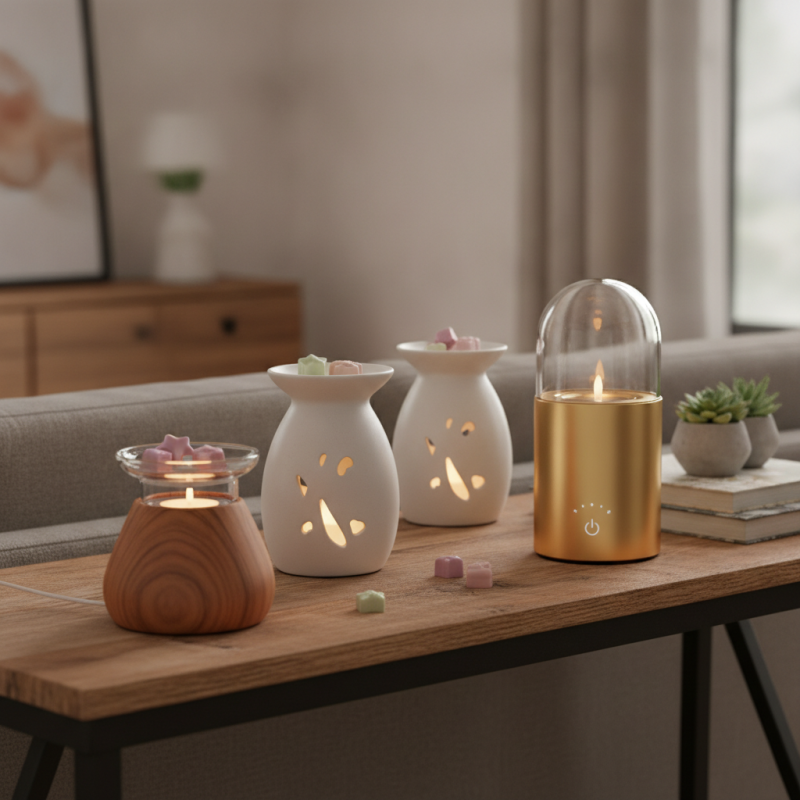
In 2026, the lamp wax warmer market is seeing a shift in consumer preferences. According to recent industry reports, color and design are pivotal factors influencing purchases. A survey indicated that 67% of consumers prioritize aesthetics when selecting a wax warmer. Shades of pastel colors like light blue and mint green are trending. These colors evoke calmness and create a serene atmosphere in homes.
Design trends highlight minimalism and functional aesthetics. Many consumers prefer sleek, modern shapes that blend seamlessly into their decor. Furthermore, 45% of respondents expressed interest in eco-friendly materials. Consumers are becoming more conscious of sustainability, opting for wax warmers made from recycled or biodegradable components. This demand reflects a broader trend towards environmentally responsible products.
While these trends are promising, potential drawbacks exist. For instance, the focus on aesthetics may overshadow functionality. Some consumers report frustration with warmers that prioritize looks over performance. Additionally, the availability of eco-friendly options can be limited or more expensive. This raises questions about accessibility and the true impact of the trends on consumer choices. Balancing design with practicality will require ongoing reflection within the industry.
2026 Consumer Preferences for Lamp Wax Warmers
Sustainability Practices in the Wax Warmer Industry: A Focus for 2026
The wax warmer industry is evolving, focusing on sustainability in 2026. Consumers are increasingly aware of their environmental impact. Manufacturers recognize the need for eco-friendly practices. This shift is not just a trend; it reflects a deeper commitment to the planet.
Many new wax warmers are created with biodegradable materials. This move reduces waste in landfills and promotes a circular economy. Companies are also exploring renewable energy sources for production. These changes may drive up production costs, but they align with consumer values. Some brands start to shy away from synthetic fragrances, opting for natural scents extracted from plants.
However, challenges remain. Not all manufacturers embrace these practices yet. The journey towards sustainability is complex and ongoing. Consumers must remain vigilant and informed about the choices they make. As the industry progresses, it's crucial for both manufacturers and shoppers to reflect on their role in this transformation. Awareness is key, leading to a more significant change in how we view home fragrance.
2026 Top Trends for Lamp Wax Warmers You Need to Know
| Trend |
Description |
Sustainability Practice |
Projected Impact (2026) |
| Eco-friendly Wax |
Increase in the use of natural waxes like soy and beeswax. |
Sourcing from sustainable farms and minimizing toxic substances. |
Reduction of carbon footprint and harmful emissions. |
| Reusable Warmers |
Designs focused on durability and reusability. |
Using materials that can be recycled or repurposed. |
Significant reduction in waste from disposable products. |
| Energy-efficient Models |
Warmers that consume less energy while maintaining performance. |
Incorporating LED technology and smart sensors. |
Lower energy bills and decreased environmental impact. |
| Scent Variety |
A focus on natural essential oils rather than synthetic fragrances. |
Partnerships with local farms for sourcing natural oils. |
Promotion of biodiversity and local economies. |
| Biodegradable Packaging |
Switching packaging materials to biodegradable options. |
Using plant-based materials for all packaging. |
Significant reduction in landfill waste. |