Lamp Wax Warmers have gained popularity in homes everywhere. Many people enjoy the soothing ambiance they create. With various designs and scents, these warmers offer more than just lighting. They provide a unique way to experience fragrance without an open flame.
Using Lamp Wax Warmers can lead to an overwhelming choice of wax scents. Each scent evokes different memories and emotions, making the selection process both exciting and challenging. Some find themselves stuck, unsure of which fragrance fits their mood. There is a beauty in this choice, but it can also be frustrating.
The warmers not only serve as decor but as a means of self-care. However, maintenance and wax disposal may pose challenges. Many forget to clean their warmers regularly. This neglect can affect the scent quality and overall experience. It pushes us to consider the significance of proper care. Eventually, it all ties back to how we create cozy atmospheres in our spaces.

Understanding the Concept of Sustainability in Modern Society
Sustainability is a crucial concept in our fast-paced society. It involves balancing our needs with the health of the planet. Many people feel overwhelmed by the idea. They wonder how they can make a difference.
Making small changes can have a huge impact. One tip is to reduce single-use plastics in daily life. Carry a reusable water bottle and shopping bag. This simple shift helps reduce waste. Another idea is to support local farmers. Purchasing fresh, local produce decreases transportation emissions and encourages community growth.
However, it is easy to get lost in the sustainability jargon. Terms like "carbon footprint" may confuse us. We might feel like it’s too much to digest. Remember, sustainability doesn’t mean perfection. It means making conscious choices, even if they’re imperfect. Evaluate your habits, and don't be too hard on yourself. Progress takes time, and even small efforts count.
The Historical Development of Sustainability Practices
Sustainability practices have evolved significantly over the years. Historically, the focus was primarily on environmental conservation. For example, reports indicate that as far back as the 1980s, only 36% of organizations had a sustainability policy in place. This reflects a lack of commitment to sustainable practices during that period. Today, the landscape is different, with 87% of companies claiming to adopt sustainable measures, according to recent research.
However, the transition hasn't been seamless. Many businesses still struggle to implement these strategies effectively. A survey found that only 30% of companies assess the impact of their sustainability initiatives. This gap highlights that while intentions are good, execution often falls short. Sustainable development requires ongoing evaluation and adaptation to overcome these challenges.
Tips: Start small. Implementing minor changes in your workplace can lead to significant progress. For instance, encourage recycling and reduce single-use plastics. Encourage discussions around sustainability. Engaging employees fosters a culture of responsibility. Use data effectively. Regularly track relevant metrics to measure the success of your initiatives.
Key Principles and Components of Sustainable Development
Sustainable development hinges on key principles that shape our future. One fundamental principle is holistic integration, where economic, social, and environmental factors work together. According to the United Nations Sustainable Development Goals (SDGs), over 700 million people still live in extreme poverty. This highlights the urgent need for comprehensive strategies that address these interconnected issues.
Another critical component is resource efficiency. The World Resources Institute reports that global wood consumption is projected to reach 2.2 billion cubic meters by 2030. This trend raises questions about our dependency on natural resources. Are we using what we have responsibly? Many nations still rely heavily on fossil fuels, which leads to environmental degradation and climate change. This situation calls for innovative solutions and a shift towards renewable energy sources.
Lastly, social equity is essential. The Global Inequality Report 2022 reveals that the richest 10% of the world's population owns 76% of the total wealth. Such disparities threaten stability and hinder progress. We must reflect on how to create inclusive policies that empower marginalized communities. Balancing economic growth with social justice is a challenge but one we must face for a sustainable future.
Key Principles and Components of Sustainable Development
This chart illustrates the distribution of key principles and components of sustainable development, highlighting the importance of economic growth, social inclusion, and environmental protection.
The Role of Technology in Promoting Sustainability
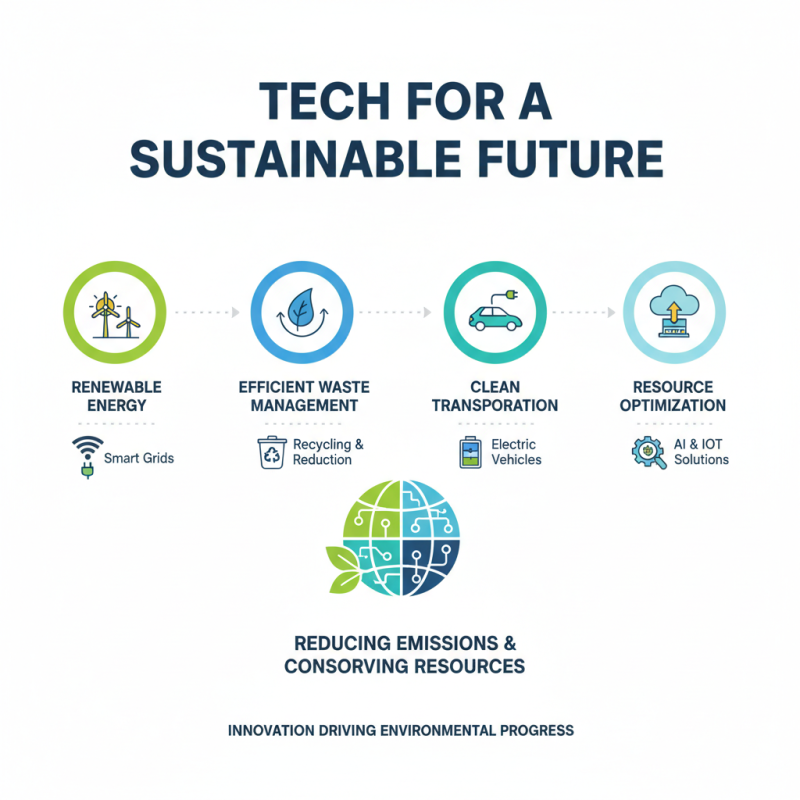
Technology plays a vital role in promoting sustainability. From renewable energy solutions to efficient waste management, innovation is transforming our approach to environmental issues. Smart grids optimize electricity use, making it easier to integrate renewable sources. Electric vehicles reduce emissions, providing cleaner transportation options.
Tips: Consider adopting energy-efficient appliances at home. They consume less power, lowering both your bills and carbon footprint. Small changes can have big impacts.
The rise of data analytics is remarkable. Organizations can track resource usage in real time. This insight helps identify areas for improvement. However, many struggle to implement these technologies effectively. Training and education remain significant hurdles.
Tips: Try using apps that help monitor your energy consumption. They can illustrate your usage patterns and inspire you to make better choices. Awareness is the first step toward sustainability.
Challenges and Solutions in Achieving Sustainability Goals
Achieving sustainability goals presents various challenges. Many organizations struggle to integrate sustainable practices into their existing frameworks. A common roadblock is the resistance to change. Employees may feel overwhelmed or uncertain about new policies. This often leads to a lack of engagement, stalling progress.
One effective strategy to overcome these obstacles is to create clear communication channels. Encouraging open dialogue about sustainability can foster a culture of collaboration. Teams should share their concerns and ideas. This approach can promote ownership of sustainability initiatives.
Tips: Start small. Implement minor changes that everyone can rally behind. Set clear, achievable targets. Celebrate each success, no matter how small. This can motivate the entire organization. Examine the current processes periodically. Are they still effective? Adapt and refine strategies based on feedback and outcomes. Remember, sustainability is a journey, not a destination.