What is an Oil Fragrance Lamp and How Does it Work?
Oil Fragrance Lamps are gaining popularity for enhancing indoor environments. These lamps use essential oils and heat to release delightful scents. According to a recent market report by Grand View Research, the global aromatherapy market is projected to grow significantly, driven by increasing consumer interest in wellness and ambiance.
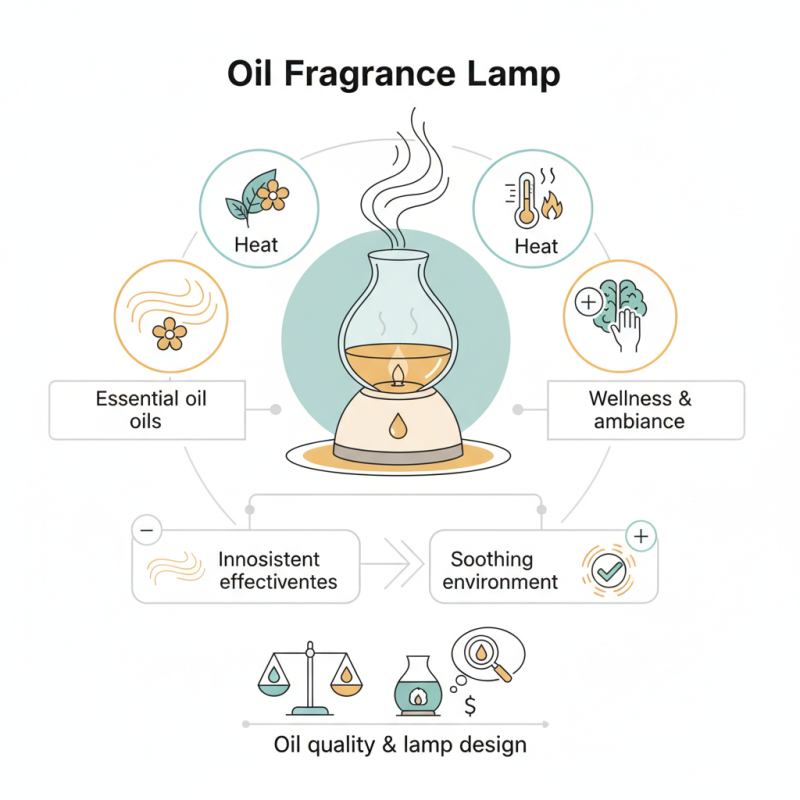
The operation of an Oil Fragrance Lamp is quite straightforward. Typically, it consists of a reservoir for oil and a wick or heating element. While they can create relaxing atmospheres, their effectiveness can vary. Some users may find that the scent dissipates quickly or does not fill the space as desired. This inconsistency can be frustrating for consumers seeking an ideal sensory experience.
However, when used correctly, an Oil Fragrance Lamp can transform a room. The warmth helps to release aromatic compounds, creating a soothing environment. Yet, it's important to consider oil quality and lamp design for optimal results. Many brands are emerging, each with different approaches and prices. Evaluating these options is key for any potential buyer.
What is an Oil Fragrance Lamp?
An oil fragrance lamp is a unique device designed to spread pleasant scents throughout a space. It typically consists of a bowl, a base, and a wick. Users fill the bowl with aromatic oils, which can come from various natural sources. When the wick is lit, it absorbs the oil and releases therapeutic aromas into the air. Many people enjoy using these lamps for relaxation or creating a calming ambiance in their homes.
The process might seem straightforward, but there are some nuances to consider. The type of oil you choose can significantly affect the scent's strength and duration. Not all oils burn evenly, and some may leave residue in the lamp. It is essential to experiment with different oils to find what suits your preferences. Additionally, ensuring the wick is the proper length will help create a consistent and pleasant fragrance.
While these lamps can enhance the atmosphere of a room, they require regular cleaning and maintenance. Users need to address the build-up of soot and oil residue to ensure optimum performance. This attention to detail can be overlooked, leading to an ineffective lamp. Ultimately, embracing the quirks and challenges of using an oil fragrance lamp can add to the overall experience.
Components of an Oil Fragrance Lamp
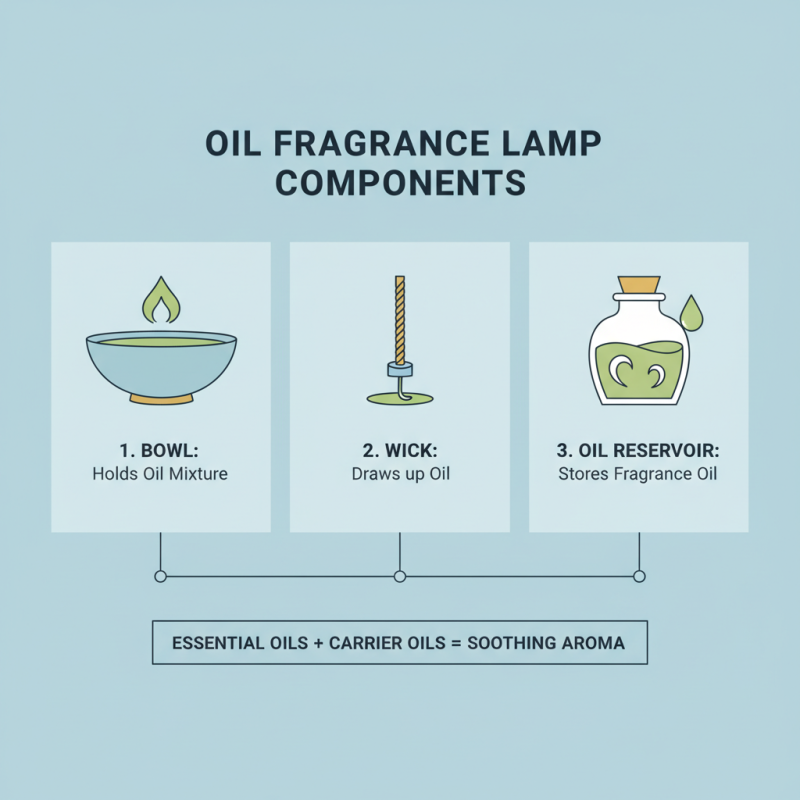
An oil fragrance lamp consists of several key components that work together to create a soothing, aromatic environment. These lamps typically include a bowl, a wick, and an oil reservoir. The bowl sits atop the lamp and holds the oil mixture. This is where essential oils blend with carrier oils, producing delightful scents that can enhance mood and promote relaxation.
The wick is essential for the lamp’s function. It draws the oil up from the reservoir through capillary action. When the wick is lit, the heat from the flame causes the oil to evaporate, releasing fragrant molecules into the air. According to industry data, around 30% of consumers use fragrance lamps for aromatherapy purposes, underscoring their popularity in wellness practices.
Additionally, the materials used in construction play a vital role in the lamp's efficacy. Commonly, glass and ceramic are favored for their durability and aesthetic appeal. However, not all lamps are created equal. Poor-quality materials can impact performance and safety. In fact, reports indicate that nearly 15% of incidents involving oil lamps are linked to improper materials. Thus, choosing a reliable lamp is crucial for enjoying the benefits without risk.
How Does an Oil Fragrance Lamp Work?
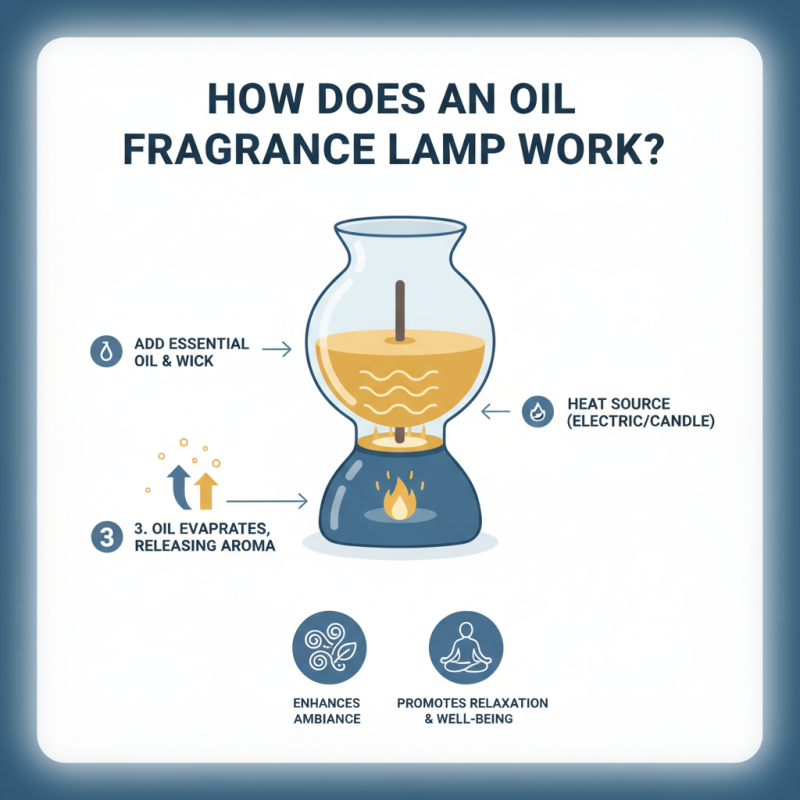
An oil fragrance lamp operates by heating essential oils to release aromas. It typically consists of a bowl for the oil, a wick, and a heat source. Many lamps utilize an electric heating element or a candle to warm the oil. As the temperature rises, the oil evaporates, filling the space with fragrance. This method not only enhances ambiance but can also promote relaxation and well-being.
Research shows that scented environments can affect mood and cognitive function. A study published in the Journal of Environmental Psychology indicated that pleasing scents may improve concentration by 20%. The right fragrance can transform the atmosphere, making it vital to choose oils wisely.
**Tips:** Start with a small amount of oil. Observe how your space feels. Sometimes too much scent can be overwhelming. Proper maintenance is crucial. Clean the lamp regularly to avoid residue buildup. This ensures efficient fragrance release. Adjust the heating method too; different oils may need varied heat levels for optimal dispersion.
Benefits of Using an Oil Fragrance Lamp
Oil fragrance lamps are becoming popular for creating a pleasant atmosphere in homes. These lamps work by heating aromatic oil, releasing fragrance into the air. One major benefit is the ability to choose scents that promote relaxation. A calming lavender can help after a stressful day, while citrus scents can energize your mornings.
In addition to enhancing the ambiance, oil fragrance lamps can also contribute to mental well-being. The soothing aroma can improve mood and reduce anxiety. Many users report feeling more at peace when they incorporate these lamps into their routines. However, it’s important to consider scent strength. Not every fragrance works for everyone. Experimenting with different oils is essential to find what resonates with you.
The visibility of the flame adds to the ambiance, creating a sense of warmth. It can be mesmerizing to watch the flickering light while enjoying your favorite scent. However, be mindful of safety. Always place the lamp on a stable surface and keep it away from drafts. Despite these small risks, the overall experience can bring comfort and joy to your space.
Benefits of Using an Oil Fragrance Lamp
Tips for Maintaining an Oil Fragrance Lamp
Maintaining an oil fragrance lamp is crucial for optimal performance. Regular cleaning is essential. Dust and residue can accumulate, affecting the lamp's efficiency. Use a soft cloth to wipe down the lamp. Avoid harsh chemicals, as they may harm the lamp’s finish. Regularly check the wick's condition too. A frayed or burnt wick can cause uneven burning and lessen the fragrance output.
Refilling the oil should be done with care. Always ensure the lamp is cool before adding oil. Overfilling can lead to spills, creating a mess. Monitor the oil level closely. Letting it run dry can damage the wick and affect future use. Lighting the lamp requires a steady hand. An uneven flame can compromise safety and aroma.
Don’t forget to place the lamp in a suitable location. A drafty area will disrupt the flow of fragrance. Keep it out of direct sunlight to prevent the oil from degrading. Lastly, have a backup plan for when things go wrong. Sometimes, wicks don’t light properly, leaving you frustrated. Experiment with different oils to find your favorite scent. Enjoy the journey of discovering what works best for you.
What is an Oil Fragrance Lamp and How Does it Work? - Tips for Maintaining an Oil Fragrance Lamp
| Dimension |
Description |
| Material |
Typically made from glass, ceramic, or metal. |
| Operation |
Utilizes a wick to draw the scented oil into a flame or heat source. |
| Heat Source |
Can be a candle flame or an electric burner. |
| Scent Strength |
Can be adjusted by the amount of oil used or size of the wick. |
| Maintenance Tips |
Regularly clean the lamp and replace the wick as needed. |
| Safety Precautions |
Keep away from flammable materials and never leave unattended. |
| Popular Oils |
Lavender, eucalyptus, vanilla, and citrus blends. |