What is a Night Lamp and How Can It Enhance Your Sleep Quality
In the pursuit of better sleep quality, many individuals are turning their attention to the often-overlooked yet pivotal element of their nighttime routine: the night lamp. This seemingly simple device not only illuminates the dark corners of our bedrooms but also plays a crucial role in setting the mood for rest and relaxation. A well-chosen night lamp can create a calming atmosphere that eases the transition from the busyness of the day to the tranquility of night.
Moreover, the right night lamp can contribute significantly to improving sleep quality. With options available in various designs, brightness settings, and hues, they can cater to individual preferences and needs. Warm, soft lighting can promote melatonin production, which is essential for a restful night. As we explore the top ten night lamps available on the market, we will highlight their features, benefits, and how they can be integrated into your nighttime routine to foster an environment conducive to sleep, ultimately elevating your sleeping experience.
Understanding the Function of a Night Lamp in Sleep Enhancement
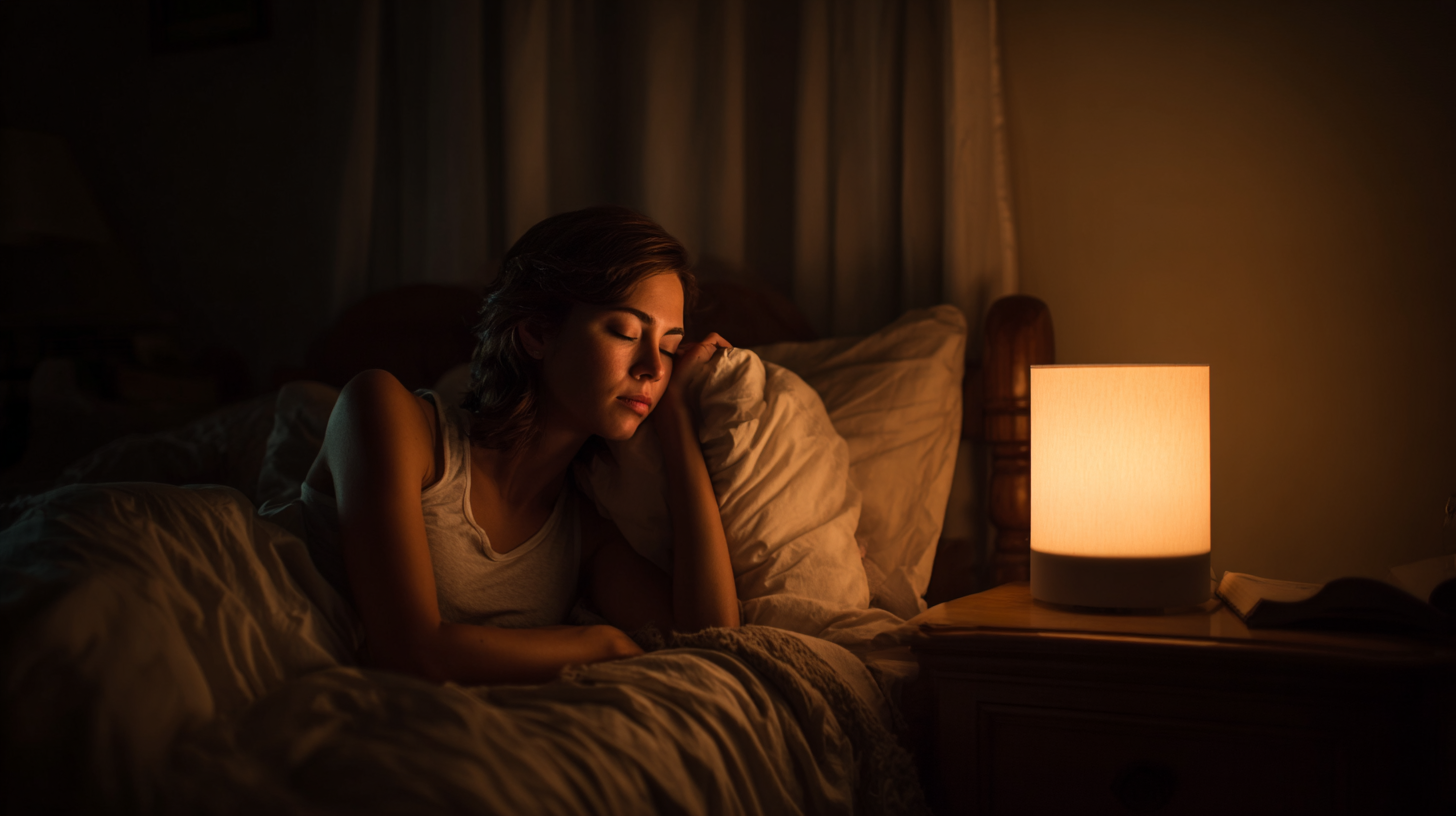
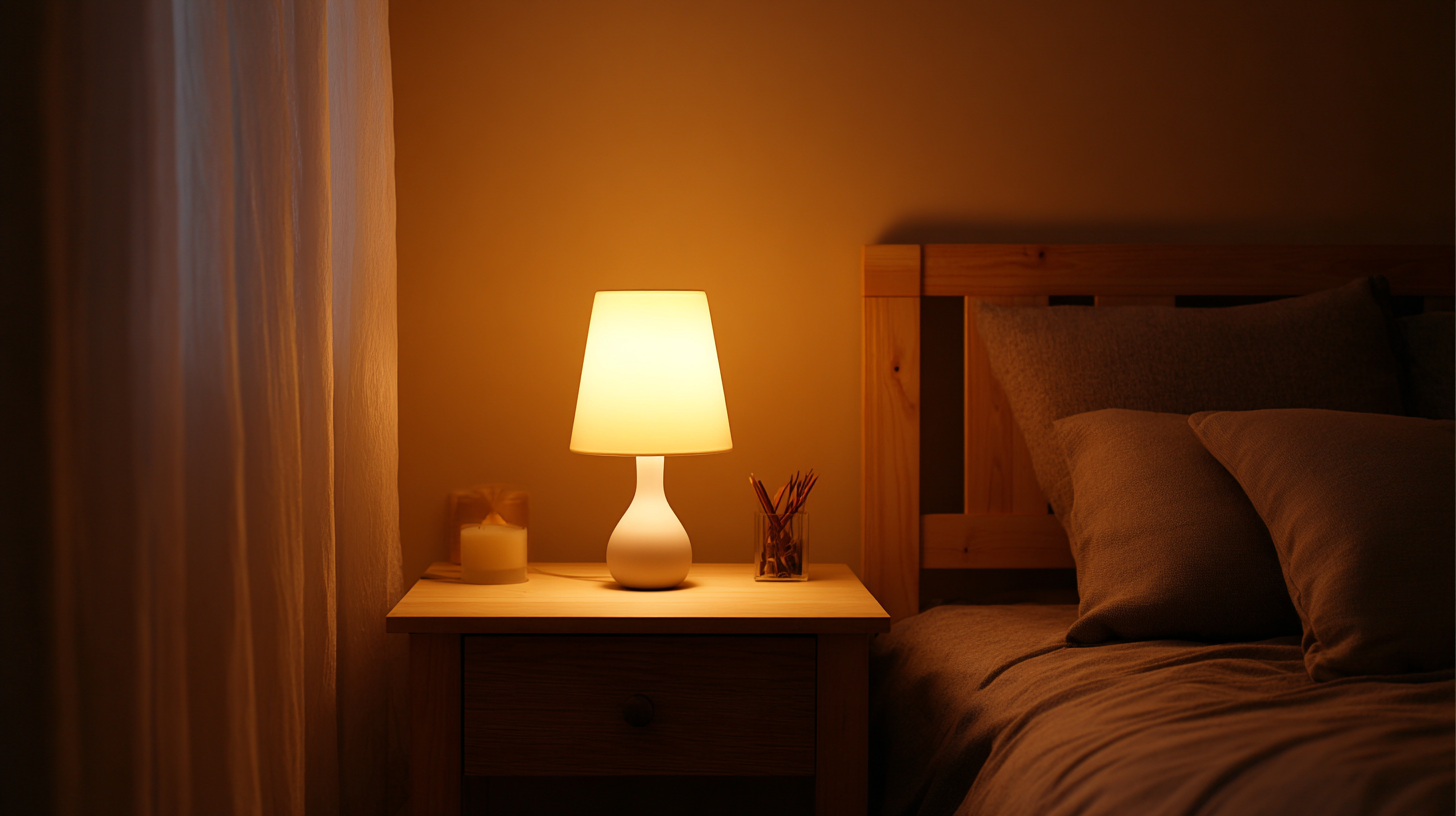
A night lamp serves a crucial role in enhancing sleep quality by providing a gentle source of light that can help create a calming environment. Unlike bright overhead lights, a night lamp emits a soft glow that allows you to navigate your space without disturbing your natural circadian rhythms. This low-intensity lighting is particularly beneficial during nighttime awakenings, as it minimizes the risk of fully waking up, making it easier to return to sleep.
Moreover, the use of a night lamp can positively affect your mental state before bedtime. The warm, inviting light can reduce anxiety and foster relaxation, signaling to your body that it’s time to wind down. By incorporating a night lamp into your evening routine, you may create a sanctuary that encourages restful sleep. This deliberate management of lighting can also help set a consistent bedtime, aligning your internal clock with your sleep schedule, ultimately leading to improved overall sleep quality.
Key Features to Look for in an Ideal Night Lamp
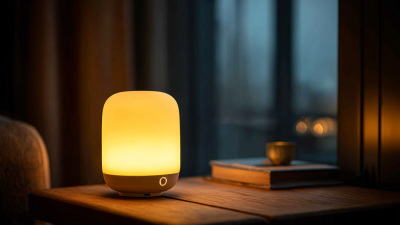
When searching for the ideal night lamp to enhance sleep quality, several key features should be prioritized. Firstly, adjustable brightness is essential. A lamp that allows you to customize the light intensity can help create a relaxing atmosphere conducive to falling asleep. Soft, warm light is often preferred, as it mimics natural light and encourages the body to wind down.
Another important feature is a timer function. This allows you to set the lamp to turn off automatically after a certain period, so you won’t be disturbed by bright light during the night. Additionally, consider lamps with color-changing options or soothing colors like blue or amber, which are known to promote relaxation and can help signal to your body that it’s time to rest. Lastly, portability can be a significant advantage, especially if you like to rearrange your sleeping environment or travel frequently. A compact, lightweight lamp can ensure you enjoy a peaceful atmosphere wherever you are.
The Impact of Light Color and Intensity on Sleep Quality
The impact of light color and intensity on sleep quality has been a significant focus in sleep research over the past few years. According to a study published in the journal "Sleep Medicine Reviews," exposure to blue light before bedtime can significantly inhibit the secretion of melatonin, the hormone responsible for regulating sleep. This disruption can lead to difficulties in falling asleep and reduced overall sleep quality. In contrast, warmer light colors, such as amber or red, are less likely to interfere with melatonin production, making them a more suitable choice for night lamps aimed at enhancing sleep.
Moreover, the intensity of light also plays a crucial role in sleep quality. Research from the National Institutes of Health suggests that dim lighting is conducive to a better sleep environment, as it helps signal to the brain that it's time to wind down. A night lamp with a lower lumens output can create a calming atmosphere that promotes relaxation and prepares the body for rest. Thus, selecting the right color and intensity of light for night lamps can be a simple yet effective strategy to improve sleep quality and overall well-being.
Impact of Light Color on Sleep Quality
This bar chart illustrates the average sleep quality associated with different light colors. Warm light has been shown to enhance sleep quality significantly, whereas blue light can negatively impact it, leading to lower sleep quality ratings.
Practical Tips for Optimizing Night Lamp Use in Your Bedroom
When it comes to optimizing your sleep environment, the use of a night lamp can be a game-changer. Research from the National Sleep Foundation indicates that exposure to soft, warm light in the evening can help regulate your body’s circadian rhythm, making it easier to wind down after a long day. Choosing a night lamp with adjustable brightness can further enhance this effect; a dimmable light allows you to customize the ambiance according to your preference, promoting a more relaxed environment conducive to restful sleep.
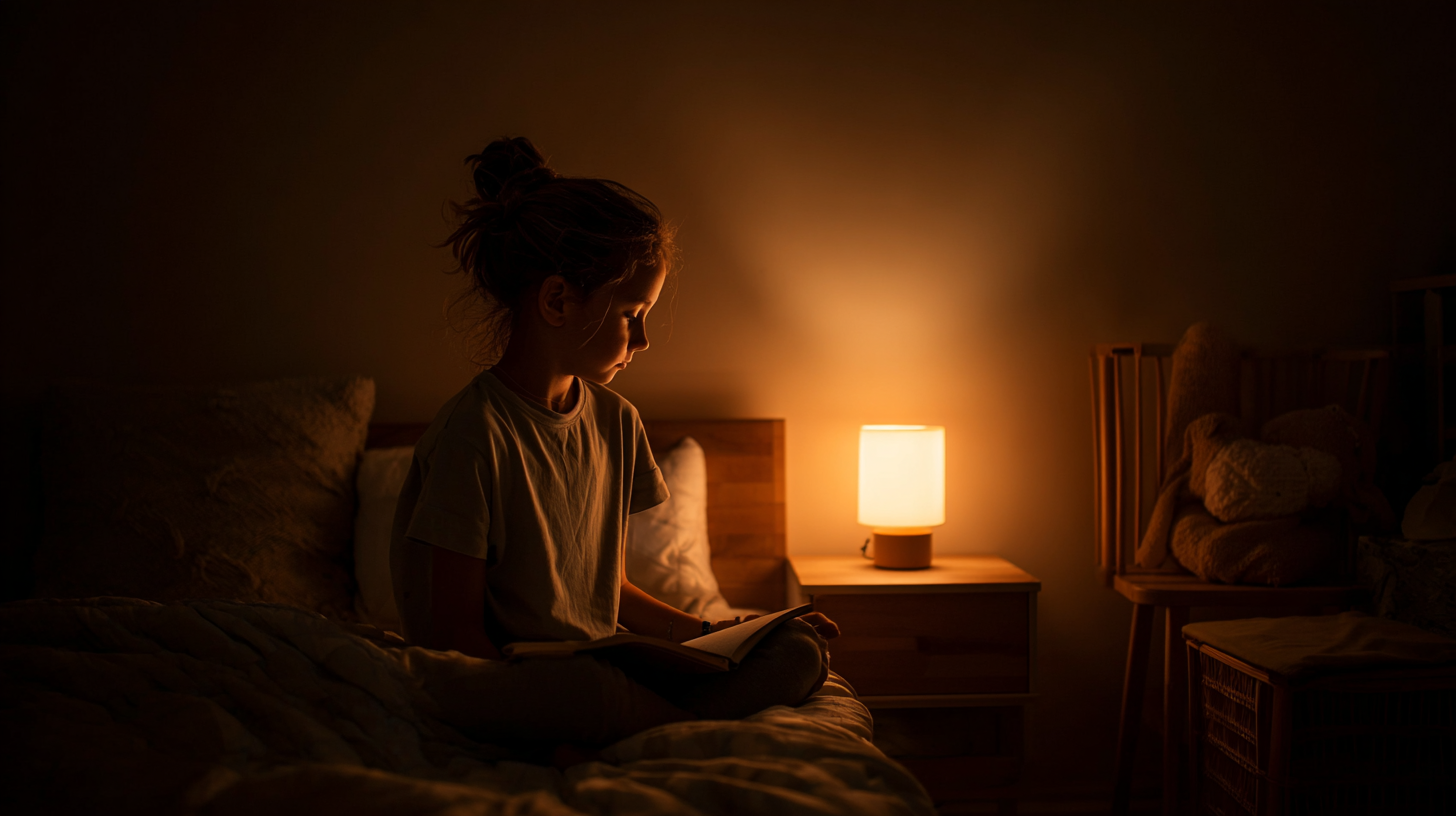
To make the most of your night lamp, consider placing it strategically in your bedroom—ideally on a bedside table or shelf. This positioning will provide the soft light necessary for nighttime activities such as reading without disrupting the body’s readiness for sleep. Moreover, studies have shown that implementing a bedtime routine that incorporates the gradual dimming of light can signal to your brain that it’s time to prepare for sleep. Combined with the right bulb color—warm white or amber is preferred—using a night lamp effectively can significantly enhance your overall sleep quality by creating a soothing pre-sleep atmosphere.
What is a Night Lamp and How Can It Enhance Your Sleep Quality
| Feature |
Description |
Benefits |
Optimal Use |
| Adjustable Brightness |
Allows users to set the light intensity according to their preference. |
Helps in creating the right ambiance for relaxation. |
Set to low brightness in the evening to aid in winding down. |
| Color Temperature |
The warmth or coolness of the light emitted. |
Warmer light promotes relaxation while cooler light can keep you alert. |
Use warmer colors (2700K-3000K) in the evening. |
| Night Mode |
A feature that dims the light for nighttime use. |
Reduces glare and is less disruptive to sleep cycles. |
Engage night mode when going to bed or during nighttime wake-ups. |
| Timer Function |
Automatically turns off after a preset duration. |
Helps save energy and ensures the light doesn't disrupt sleep. |
Set the timer to turn off after 30 or 60 minutes. |
| Decorative Design |
Stylish lamps that complement bedroom decor. |
Adds aesthetic value while providing functionality. |
Choose designs that align with your bedroom’s theme. |
Common Mistakes to Avoid When Using a Night Lamp for Sleep
When using a night lamp to enhance your sleep quality, it's important to avoid some common mistakes. One prevalent error is choosing the wrong brightness level. Many people opt for overly bright lamps, which can disrupt melatonin production and hinder the ability to fall asleep. Instead, select a lamp with adjustable brightness settings that can emit a soft, warm glow. This type of lighting creates a calming atmosphere conducive to relaxation and sleep.
Another mistake is placing the lamp too close to the bed. A night lamp should illuminate the room without being harsh on your eyes. Position the lamp at a distance where the light creates a gentle ambiance without overpowering your immediate space. Additionally, be mindful of the color of the light; warmer tones tend to be more soothing for the eyes compared to cool, blue-toned lights.
**Tips:** Consider using a timer to automatically turn off the lamp after a certain period. This prevents you from waking up in the middle of the night to a bright light. Also, explore lamps designed specifically for sleep, which can include features like dimming options and color changing settings to personalize your sleeping environment.