10 Essential Tips for Choosing the Perfect Floor Lamp for Your Home
Choosing the perfect floor lamp for your home can significantly enhance the ambiance and functionality of your living space. Floor lamps not only provide essential lighting but also serve as stylish decor pieces that can complement your interior design. With a vast array of styles, sizes, and materials available, selecting the ideal floor lamp may seem daunting.
In this guide, we will present ten essential tips that will help you navigate the selection process. From considering the lamp's height and design to understanding the type of lighting it provides, these tips will empower you to make a well-informed choice. Whether you are aiming for a cozy reading nook, a bright workspace, or an elegant statement piece, finding the right floor lamp is crucial for achieving the perfect balance between functionality and aesthetics in your home.
Understanding Different Types of Floor Lamps and Their Functions
When selecting the ideal floor lamp for your home, it’s essential to understand the various types available and their respective functions. Floor lamps generally fall into three primary categories: task, ambient, and accent lighting. Task lamps are designed to provide focused illumination for specific activities such as reading or working. According to the American Lighting Association, these types of lamps often feature adjustable necks or shades to direct light precisely where it's needed, enhancing both comfort and functionality.
On the other hand, ambient floor lamps create a soft, diffuse light that fills the room, helping to establish overall brightness and mood. Industry reports suggest that homeowners are increasingly opting for LED floor lamps as a sustainable choice, as they consume significantly less energy—roughly 75% less than traditional incandescent bulbs—while providing long-lasting light. Lastly, accent lamps serve the purpose of highlighting artwork or architectural features, adding depth and interest to a space. By understanding these different types, homeowners can make informed decisions that align with their lighting needs and aesthetic preferences.
10 Essential Tips for Choosing the Perfect Floor Lamp for Your Home
Assessing Your Room's Size and Layout for Optimal Lamp Placement
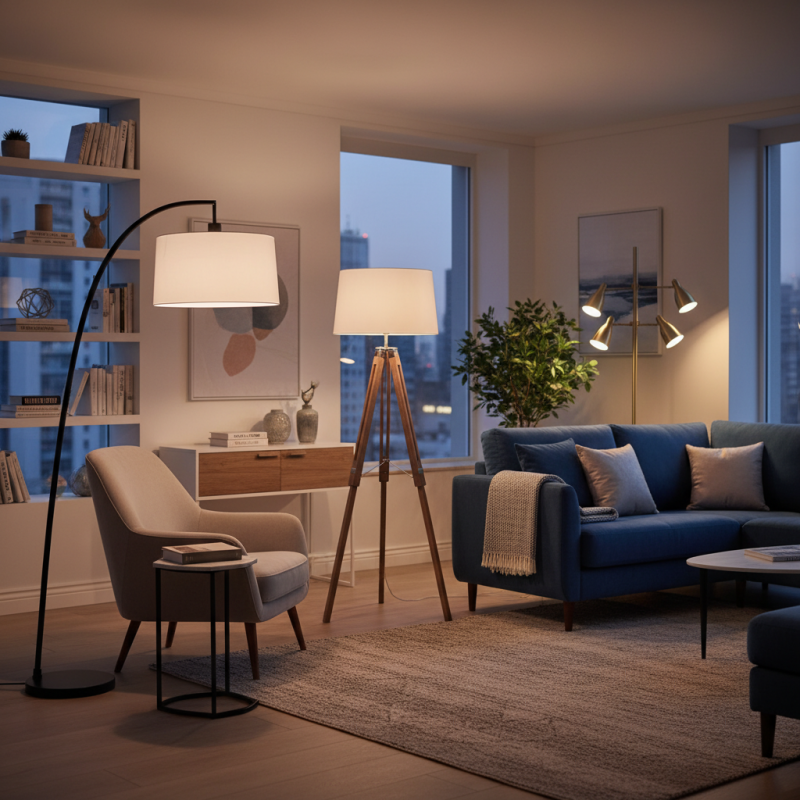
When choosing the perfect floor lamp for your home, assessing your room's size and layout is crucial to ensure optimal lamp placement. Start by evaluating the dimensions of your space—both height and width—as they influence the type and scale of the lamp you should select. A tall, slender lamp can help create the illusion of height in a room with low ceilings, while a wider base might be more suitable for an expansive area with plenty of open space. Consider the visual weight of your furniture and decor, ensuring that the lamp complements rather than overwhelms the surrounding elements.
Additionally, the layout of your room plays a significant role in lamp placement. Identify the specific areas where lighting is needed, such as reading nooks or conversation zones. Positioning the floor lamp within reach of seating arrangements can enhance functionality and comfort. Be mindful of foot traffic routes; the lamp should not obstruct pathways or pose a tripping hazard. By carefully considering the interplay between your room's size, furniture, and traffic flow, you can find the perfect floor lamp that not only illuminates but also elevates the overall aesthetic of your space.
10 Essential Tips for Choosing the Perfect Floor Lamp for Your Home
| Tip Number |
Tip Description |
Ideal Room Size |
Recommended Placement Area |
| 1 |
Consider the height of the lamp in relation to your ceiling. |
Low Ceilings (7-8 ft) |
Corners or against walls to maximize space |
| 2 |
Match the lamp style with your room decor. |
Medium to Large Rooms |
Living Room, Reading Nook |
| 3 |
Choose a lamp with adjustable brightness for versatility. |
Any Size |
Bedroom, Office |
| 4 |
Consider where you'll be using the lamp most. |
Small to Large Rooms |
Next to Reading Chair, Sofa |
| 5 |
Take measurements of your space before shopping. |
Any Size |
Anywhere in the House |
| 6 |
Choose a lamp that fits your color scheme. |
Small to Medium Rooms |
Dining Area, Hallway |
| 7 |
Decide on the lamp’s purpose: task, ambient, or accent. |
Any Size |
Office, Reading Area |
| 8 |
Opt for a sturdy base to prevent tipping. |
Any Size |
High Traffic Areas |
| 9 |
Evaluate the wattage needed based on room usage. |
Any Size |
Living Room, Home Office |
| 10 |
Research energy-efficient options to save on bills. |
Any Size |
All Areas with Lighting Needs |
Choosing the Right Style and Design to Complement Your Decor
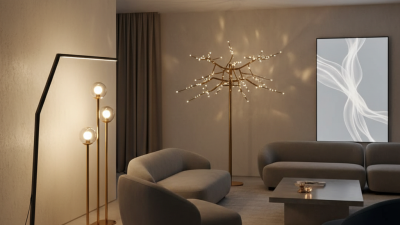
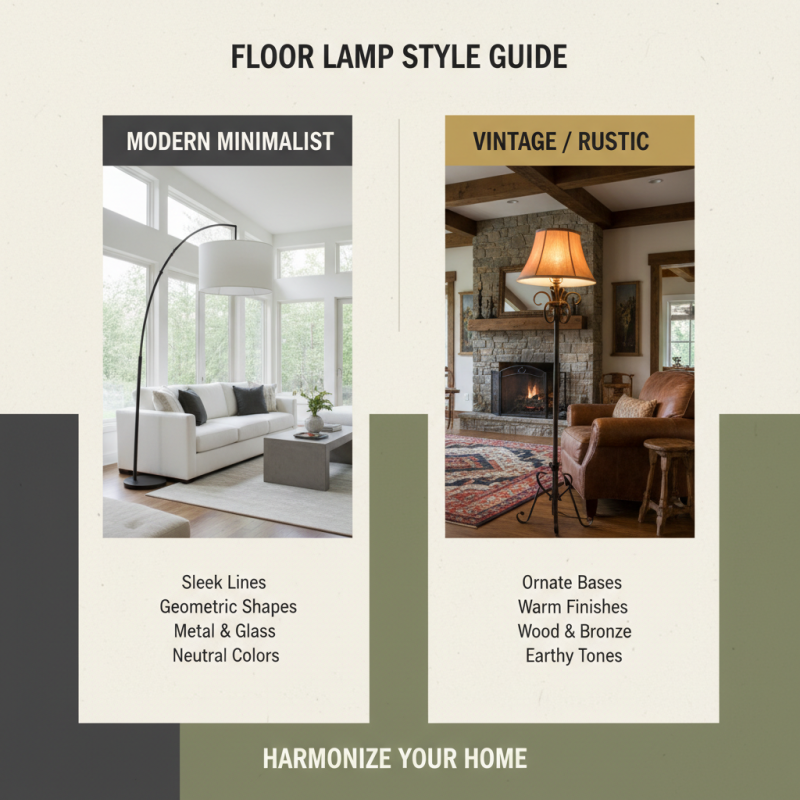
When selecting a floor lamp, aligning its style and design with your home decor is crucial for creating a harmonious living space. A lamp should not only provide brightness but also enhance the overall aesthetic of the room. For instance, if your decor leans towards a modern minimalist approach, look for sleek lines and geometric shapes in your lamp. Conversely, if your space features vintage or rustic elements, consider lamps with ornate bases or warm finishes.
One key tip is to choose a lamp that complements the color palette of your room. A floor lamp in a contrasting shade can serve as a striking focal point, while a lamp that shares colors with your existing decor can create a seamless blend. Additionally, pay attention to the height and scale of the lamp. It should be proportionate to the furniture and the space, ensuring both functionality and visual balance.
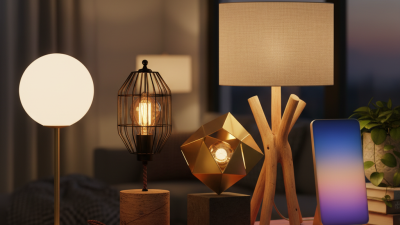
Moreover, think about the lamp's shade and light source. A translucent shade can soften the light, making it ideal for cozy corners, whereas a solid shade can provide focused illumination for reading or task-oriented activities. With these considerations in mind, finding the perfect floor lamp will not only brighten your home but also enrich its design narrative.
Selecting the Appropriate Light Bulb for Brightness and Ambiance
When selecting a floor lamp, one of the most crucial aspects to consider is the type of light bulb you choose.
The light bulb not only impacts the brightness of the room but also sets the overall ambiance.
For instance, LED bulbs are known for their energy efficiency and long lifespan,
making them ideal for everyday use. They provide a bright, clear light that can illuminate a large space effectively.
However, if you’re looking to create a cozy atmosphere, warm white bulbs can be a better option,
as they emit a softer, more inviting glow.
Another factor to consider is the wattage and lumens of the bulb.
Higher wattage typically means more brightness, but it’s essential to balance this with your needs for the space.
For reading corners or workspaces, brighter bulbs—around 800 lumens—are often preferred to reduce eye strain.
Conversely, for areas intended for relaxation, such as a living room or bedroom, lower lumens—around 400 to 600—can provide a tranquil environment.
Choosing the right bulb can transform the mood of your room and enhance the functionality of your floor lamp,
ensuring it complements your home beautifully.
Budgeting: Finding a Quality Floor Lamp Within Your Price Range
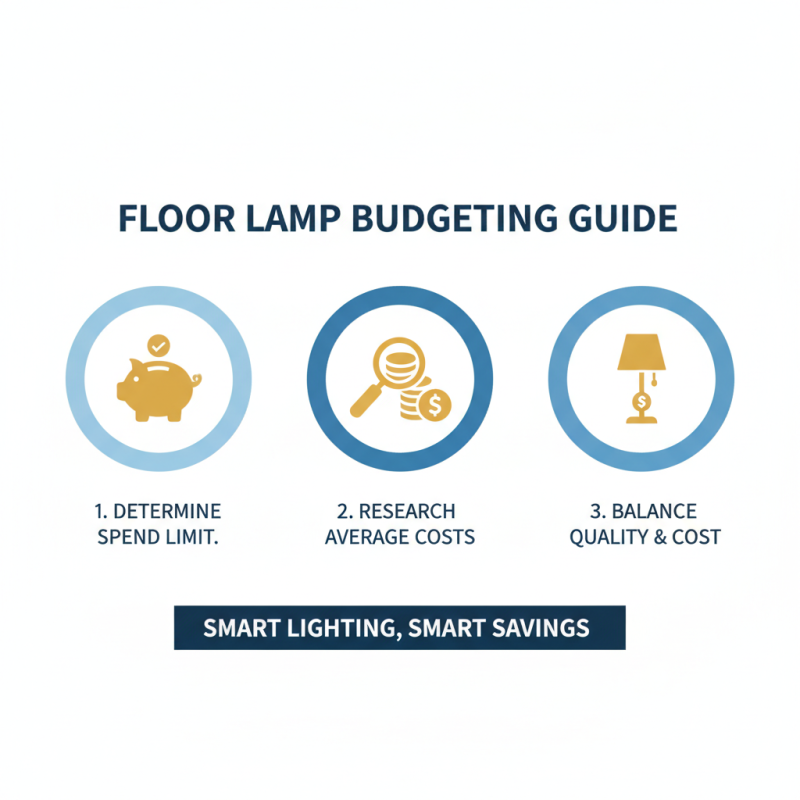
When selecting the perfect floor lamp for your home, budgeting plays a crucial role in ensuring you strike a balance between quality and cost. It's essential to determine how much you're willing to spend before starting your search. Having a clear budget in mind helps narrow down options and prevents overspending, allowing you to focus on lamps that fit your financial plan. Quality floor lamps can vary widely in price, so researching the average cost for the style and type you prefer can provide a good reference for your budget.
Once you have established your budget, consider the different materials, designs, and functionalities available within that price range. A well-made lamp can last for years, making it a worthwhile investment, even if it initially costs more. Look for features that enhance the lamp's functionality, such as adjustable brightness or unique design elements that complement your home decor. Lastly, keep an eye out for sales or discounts that can help you get a higher quality lamp for less, ensuring that you not only stay within your budget but also acquire a stylish and functional addition to your living space.