How to Choose the Best Night Lamp for Your Home Needs?
Choosing the right night lamp can significantly impact your home environment. According to industry reports, proper lighting improves mood and sleep quality. A study by the American Lighting Association found that 70% of respondents value versatile lighting options for relaxation. Night lamps not only enhance aesthetics but also serve practical functions.
When selecting a night lamp, consider factors like brightness and energy efficiency. The U.S. Department of Energy states that LED lamps use 75% less energy than traditional bulbs. However, different people have varying preferences. Some may prefer a warm glow, while others need a brighter light for specific tasks. It’s essential to reflect on your needs before purchasing.
Additionally, many night lamps come with smart features. These can include adjustable brightness and built-in timers. While these features can offer convenience, they may also complicate use. A simple night lamp may sometimes be more effective. It's crucial to balance technology with practicality when making your choice.
Understanding the Importance of Night Lamps for Home Lighting Solutions
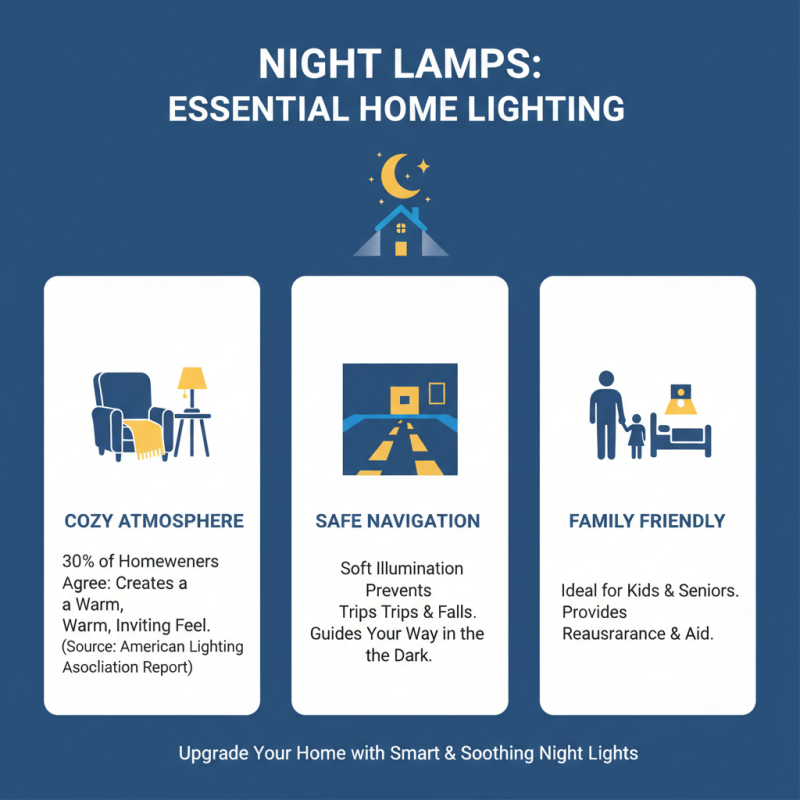
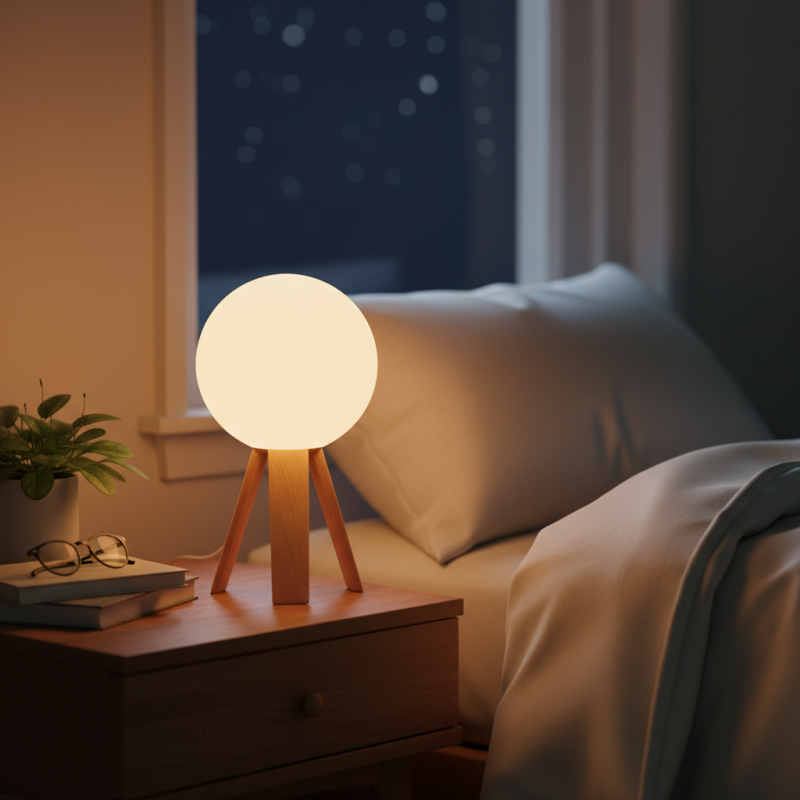
Night lamps play a crucial role in enhancing home lighting solutions. According to a report from the American Lighting Association, 30% of homeowners find night lamps essential for creating a cozy atmosphere. They offer soft illumination that helps individuals navigate their homes safely during the night. This is especially vital for families with young children or older adults who may need assistance.
Choosing the right night lamp involves considering functionality and aesthetics. A study from the National Sleep Foundation highlights that proper lighting can improve sleep quality. Dim, warm lights promote relaxation, while bright lights may disrupt restful sleep. The interplay of light and design should not be underestimated. A well-placed night lamp can become a statement piece while serving a practical purpose.
Despite their benefits, many people overlook their effectiveness. Not every night lamp is suitable for every space or need. Some may find their choice too harsh or not bright enough. Homeowners should take time to reflect on their preferences and specific illumination needs. This ensures their night lamp enhances the home environment rather than detracts from it. The right selection can significantly influence mood and comfort at night, making thoughtful choices essential.
Identifying Your Specific Needs: Functionality and Ambiance Requirements
When selecting a night lamp, understanding your specific needs is crucial. Consider the functionality you require.
Do you need the lamp for reading, or simply to create a soothing ambiance? A lamp with adjustable brightness may suit both purposes.
Look for options with warm light to promote relaxation and comfort in your home.
Tips: Evaluate your room layout. If your space is small, a compact lamp could be more suitable. Think about brightness levels.
Too much light can disrupt sleep, while too little can hinder reading.
Next, focus on ambiance. The style of the lamp should align with your home’s decor. Choose colors and designs that complement your existing furniture.
A mismatched lamp can feel out of place, creating visual discord. Reflecting on your choices can help avoid aesthetic mistakes.
Tips: Explore dimmable lamps for flexibility. They allow you to adjust light intensity depending on the time of day and activity.
Keep functionality and style in harmony. With a little thought, your night lamp can enhance both utility and atmosphere in your home.
Assessing Energy Efficiency: LED vs. Traditional Bulbs in Night Lamps
Choosing the right night lamp involves more than just aesthetics. The bulb type plays a crucial role, especially when considering energy efficiency. LED bulbs are often highlighted for their low energy consumption. According to the U.S. Department of Energy, LEDs use at least 75% less energy than traditional incandescent bulbs. This statistic makes them a compelling choice for long-term savings.
However, some may question the initial cost difference between LED and traditional bulbs. While LEDs can be more expensive upfront, their lifespan is significantly longer—often lasting up to 25,000 hours compared to just 1,000 hours for incandescents. This discrepancy begs the question: Is it worth saving a few dollars now if you'll spend more later?
Yet, not all LEDs are created equal. Some emit a harsh light that may disrupt sleep rather than promote a calm environment. It’s essential to assess the color temperature and brightness levels when choosing a lamp. Warm light, typically around 2700K, creates a soothing ambiance ideal for nighttime settings. Balancing energy efficiency with comfort requires careful consideration of your specific needs.
Energy Efficiency Comparison: LED vs. Traditional Bulbs in Night Lamps
Choosing the Right Design and Size: Aesthetic Considerations for Your Space
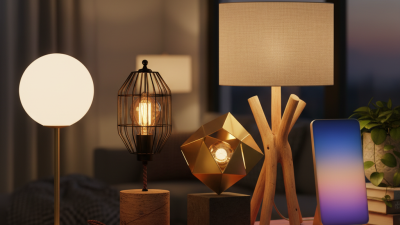
When choosing a night lamp, aesthetics play a crucial role. A well-designed lamp enhances your room's ambiance and complements your decor. According to a recent survey by the American Lighting Association, 72% of homeowners prioritize design over functionality when selecting lighting fixtures. This highlights the importance of matching the lamp's style with your space.
Consider your room's overall theme. For instance, a minimalist space might benefit from a sleek, modern design. On the other hand, a vintage-themed room can shine with a lamp featuring ornate details. Size also matters. A lamp that’s too small can feel lost, while an oversized lamp may overwhelm the space. The study indicates that 65% of interior designers recommend ensuring that lamp height aligns with furniture for balance.
Lighting levels impact mood, too. A dimmer allows flexibility for different activities. But beware—too harsh light can make a space feel cold. Aim for a warm light that creates a cozy atmosphere. Remember, even the best design might need adjustments. Don't hesitate to experiment until you find the perfect combination for your home.