What is a Ceiling Lamp and How to Choose the Right One?
Ceiling lamps are essential lighting fixtures that serve both practical and aesthetic purposes. According to the National Lighting Association, over 70% of homeowners consider ceiling lamps a key element in their interior design. These fixtures can dramatically change the ambiance of a room while providing necessary illumination. An industry expert, Dr. Emily Tran, notes, "Choosing the right ceiling lamp can transform any space from ordinary to extraordinary."
When selecting a ceiling lamp, it’s important to think about various factors like size, style, and brightness. The wrong choice may lead to poorly lit spaces or clashes with your decor. For instance, bright and modern lamps could overwhelm a cozy, traditional room. A recent market analysis showed that stylish, energy-efficient designs are in demand, reflecting a growing trend toward sustainability. Not every design fits every need; evaluating personal space is crucial.
The ceiling lamp market is evolving, with innovative designs emerging regularly. However, selecting the perfect fixture remains a challenge for many. Buyers often feel overwhelmed by choices, and sometimes the final decision may not align with their initial vision. Balancing function and style requires careful consideration and is often an area for improvement in home design.

What is a Ceiling Lamp?
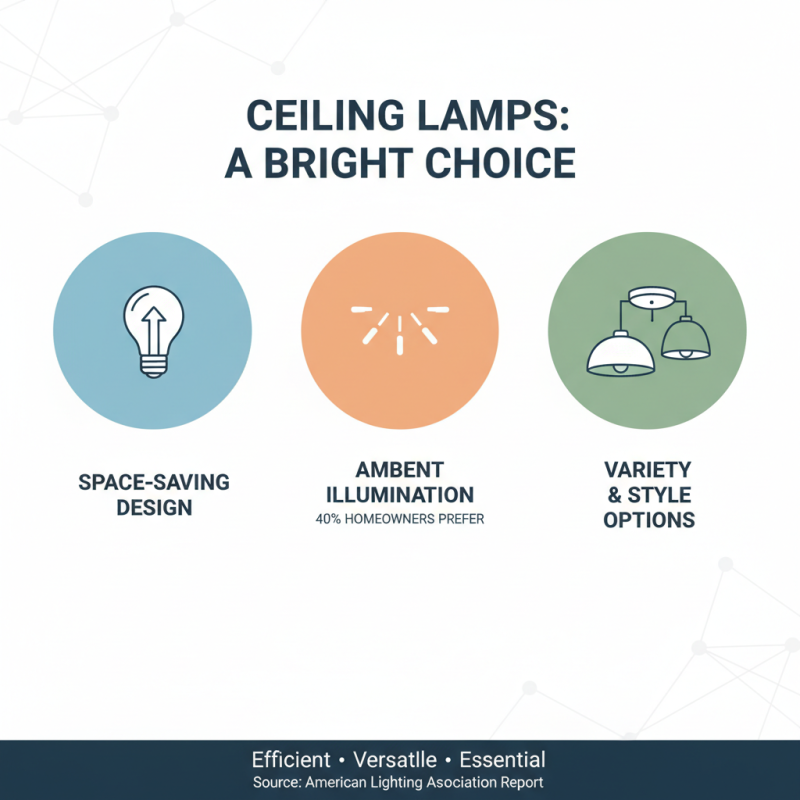
A ceiling lamp is a light fixture mounted directly on the ceiling. This design allows for efficient use of space while providing ample light. Ceiling lamps can vary widely in style and functionality. According to a report by the American Lighting Association, about 40% of homeowners prefer bright ambient lighting. This preference underscores the importance of choosing the right ceiling lamp for each room.
When selecting a ceiling lamp, consider the light output, style, and room size. For example, a standard fixture emits around 800 lumens. This is adequate for smaller spaces. However, larger rooms may require multiple fixtures or higher lumen output. It’s also crucial to match the lamp's aesthetic with the room's decor. A mismatch can make the space feel disjointed.
Many buyers overlook energy efficiency. According to the U.S. Department of Energy, LED ceiling lamps can use up to 75% less energy than traditional bulbs. This is not just an economic choice but also an environmental one. However, some LED options may produce harsher lighting, which can affect the overall mood of a space. Clearly, selecting a ceiling lamp involves careful thought and consideration.
Types of Ceiling Lamps and Their Uses
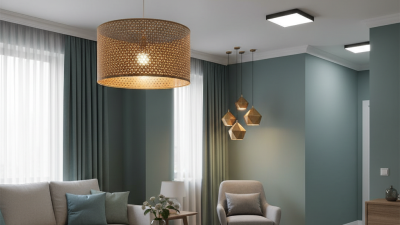
Ceiling lamps come in various types, each serving unique purposes. Pendant lamps are popular in dining areas. They create focused light above tables. According to the American Lighting Association, over 30% of households use pendant lighting in kitchens and dining rooms. Their versatility makes them appealing for modern interiors.
Flush mount and semi-flush mount fixtures are prevalent across many homes. They are ideal for low ceilings. This makes the space feel open. About 25% of homeowners opt for these lamps to enhance brightness without compromising headspace. Achieving the right ambiance here is essential, yet some may overlook the importance of light temperature.
Chandeliers provide elegance and drama. They are fitting on special occasions but not for everyday use. An online survey revealed that only 15% of households use chandeliers regularly. They often require larger rooms to shine effectively. Balancing aesthetics with practicality can be challenging. Choosing ceiling lamps demands thoughtful consideration of the space’s function and user needs.
What is a Ceiling Lamp and How to Choose the Right One? - Types of Ceiling Lamps and Their Uses
| Type of Ceiling Lamp |
Description |
Common Uses |
| Chandelier |
A decorative hanging light fixture that often features multiple arms for holding lights. |
Dining rooms, grand entryways, and living rooms. |
| Flush Mount |
A light fixture that is mounted directly against the ceiling with little to no gap. |
Hallways, bedrooms, and kitchens. |
| Semi-Flush Mount |
Hangs slightly lower than a flush mount but does not reach the floor. |
Living rooms, dining areas, and entryways. |
| pendant Lamp |
A single light fixture hung from the ceiling, usually on a cord or chain. |
Over kitchen islands, dining tables, and bars. |
| Recessed Lighting |
Installed into the ceiling cavity, providing a sleek, modern look. |
Living rooms, galleries, and commercial spaces. |
| Track Lighting |
Multiple lights mounted on a track that can be repositioned. |
Retail spaces, galleries, and kitchens. |
Factors to Consider When Choosing a Ceiling Lamp
Choosing the right ceiling lamp involves understanding several key factors. First, consider the size of the room. A large room often needs bigger fixtures to provide adequate light. In contrast, smaller spaces may feel crowded with oversized lamps. Also, think about the ceiling height. A low ceiling might require flush mounts, while higher ceilings offer flexibility with pendants or chandeliers.
Light output is another critical aspect. Different types of bulbs provide varying brightness levels. It's not just about illumination; mood matters too. Soft white bulbs can create a warm, cozy atmosphere, while bright daylight bulbs are better for tasks. Additionally, the lamp's style should complement your decor. A modern design may clash in a traditional space. Pay attention to the material and color. They should harmonize with your overall aesthetic.
Lastly, reflect on energy efficiency. LEDs are popular for their longevity and low energy consumption. However, the initial cost can be higher. Consider your budget and how often you use the lamp. Sometimes, the less expensive choice could lead to more frequent replacements, which isn't ideal. Strive for balance in your selection. It’s a decision that should match both your lighting needs and personal style.
Ceiling Lamp Brightness Comparison
This bar chart compares the lumen output of different types of ceiling lamps. When choosing a ceiling lamp, consider the lumen output, as it indicates the brightness level. LED lamps offer high brightness while being energy efficient, followed by incandescent, halogen, fluorescent, and CFL types.
How to Measure Space for a Ceiling Lamp
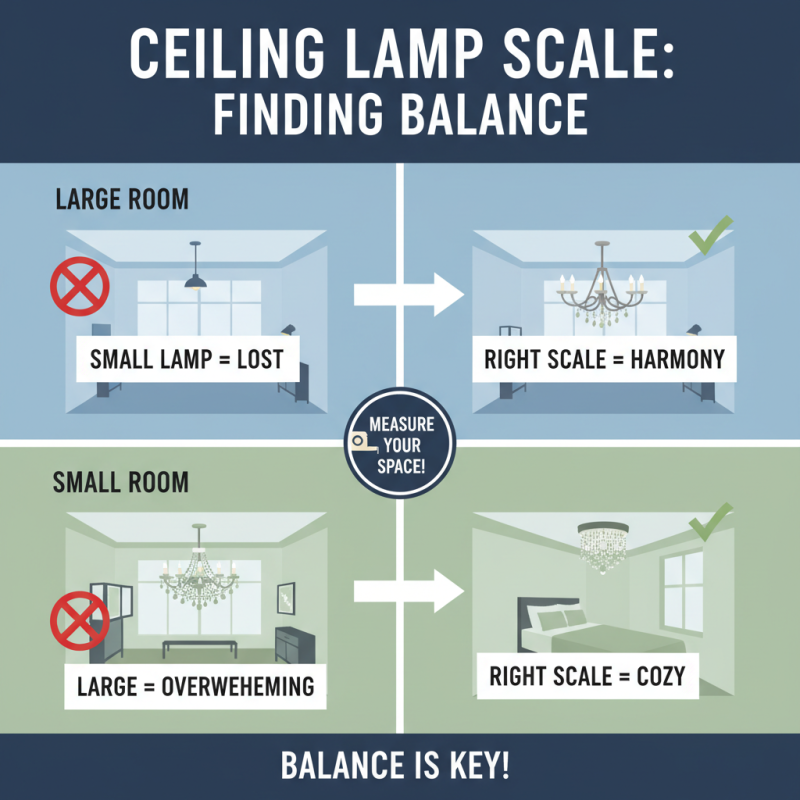
When choosing a ceiling lamp, measuring your space is crucial. Start by assessing the room size. A small lamp in a large room may feel lost. Conversely, a large lamp can overwhelm a tiny space. Determining the right scale is key to achieving balance.
For effective measurement, consider the height of the ceiling. A lamp should hang approximately 30 to 36 inches above a dining table. In living areas, maintain 7 feet of clearance from the floor to avoid obstruction. Don't forget to account for furniture placement. Ensure the lamp's light distribution suits your needs.
Tips: Use a tape measure to visualize lamp heights. Mark your desired height on a wall with painter’s tape. This simple trick helps you see how it might interact with the existing decor. Also, note that room shapes vary. A long, narrow space might need a different lamp style than a square one. Experiment with placements before making a commitment. It’s okay if things don’t work out the first time. Adjusting is part of the design process.
Tips for Installing and Maintaining Ceiling Lamps
Installing a ceiling lamp can seem straightforward, but it requires some planning. Start by selecting the right spot, ensuring it’s central. Measure the height of the ceiling. This helps determine the lamp's size. A low ceiling may benefit from flush-mount fixtures, while high ceilings allow for chandeliers and pendant lamps.
When it comes to installation, always turn off power at the circuit breaker. Use a voltage tester to confirm no electricity is flowing. Carefully follow instructions. Sometimes, even minor mistakes can lead to mismatched parts. If you feel unsure, seeking professional assistance is a wise choice.
Maintaining your ceiling lamp is just as important. Dust can accumulate quickly. Regularly wiping the surface enhances brightness. Additionally, check bulbs and replace those that are dim. Understanding the wattage is vital; using the wrong wattage can be hazardous. It's also beneficial to reflect on the ambience the lamp creates. Sometimes, a replacement may be necessary to meet evolving tastes. Embrace the process, as it can transform a space significantly.