What is an Aromatherapy Lamp and How Does It Work?
Aromatherapy Lamp offers a unique way to enhance your living space. It combines light and essential oils to create a soothing environment. Many people enjoy the calming effects it provides.
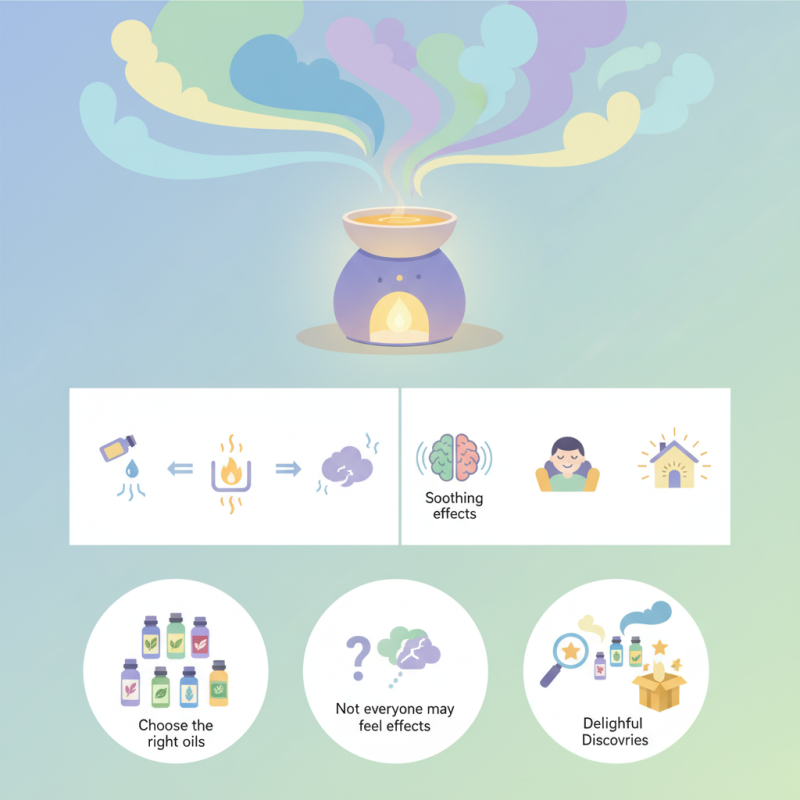
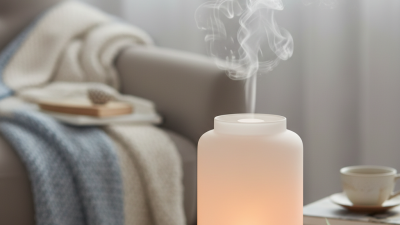
These lamps work by heating essential oils, releasing aromatic molecules into the air. The gentle light and pleasant scents create a relaxing atmosphere. Users appreciate the comfort and tranquility these lamps bring to daily life. Some may find the experience transformative.
However, not everyone may feel the intended effects. Some individuals might not connect with certain scents. It’s crucial to choose the right oils for personal preferences. A careful selection can elevate the experience. Exploring various options may lead to delightful discoveries.
What is an Aromatherapy Lamp?
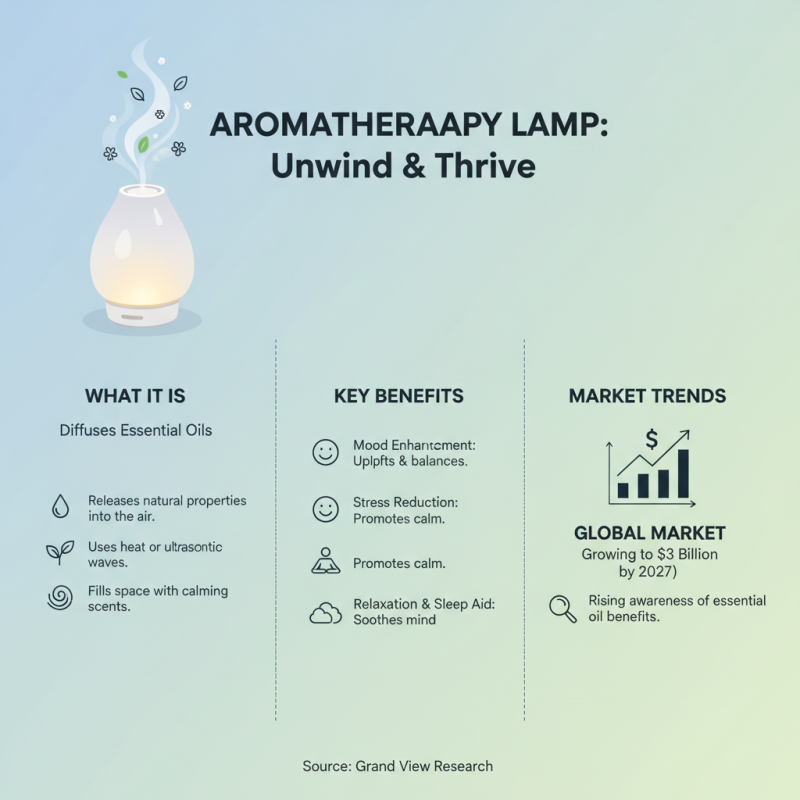
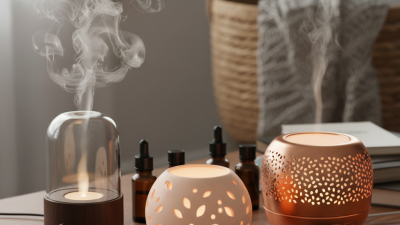
An aromatherapy lamp is a device designed to diffuse essential oils into the air. This practice, known as aromatherapy, utilizes the natural properties of these oils to enhance well-being. Research suggests that certain scents can influence mood, reduce stress, and promote relaxation. According to a market research report by Grand View Research, the aromatherapy market is projected to grow to over $3 billion by 2027. This growth reflects a rising awareness of the benefits of essential oils.
Operating an aromatherapy lamp is straightforward. Users fill a bowl with water, add a few drops of essential oil, and light a candle or use an electric source to heat the mixture. The heat helps to release the oils' aromatic compounds, creating a soothing ambiance. A study published in the Journal of Environmental Health found that essential oil diffusion can reduce indoor air pollutants, contributing to a healthier living environment.
Tips: When using an aromatherapy lamp, always ensure your room is well ventilated. Experiment with different oils to find the scents you love. Some users report difficulty in finding the right balance of oils, which may require some trial and error. Keep in mind that while aromatherapy can enhance mood, it is not a substitute for professional mental health treatment when needed.
The History of Aromatherapy Lamps
Aromatherapy lamps have a rich history that dates back thousands of years. Ancient civilizations used fragrant plant extracts for healing purposes. The Egyptians, known for their advanced practices, used essential oils in religious rituals. They believed that these oils connected them with the divine.
In the early 20th century, aromatherapy gained attention as a holistic approach to wellness. Research indicated that scent could influence mood and health. A 2018 report from the Global Wellness Institute showed that the aromatherapy market was valued at over $1 billion. This indicated a growing interest in natural treatments.
Despite their popularity, aromatherapy lamps are not without challenges. Users often struggle to choose the right essential oils. Some oils may cause allergic reactions or sensitivities. A 2020 study revealed that approximately 30% of users experience mild adverse effects. This suggests that while aromatherapy can enhance well-being, caution is essential. Understanding individual responses to scents is crucial for a positive experience.
Aromatherapy Lamp Usage Over the Decades
How Aromatherapy Lamps Work Mechanically
Aromatherapy lamps serve more than just ambiance. They are designed to disperse essential oils into the air, providing therapeutic benefits. The mechanical workings of these lamps are quite fascinating. Most use a heat source, often a candle or electric element, to warm up the oil. As the oil heats, it evaporates, releasing aromatic molecules. This process creates an inviting and calming atmosphere.
In many models, a dish holds the essential oils. When the lamp is turned on, heat is applied to this dish. It’s crucial to monitor the temperature. Too much heat can degrade the oil’s beneficial properties. Some individuals may find the scents overwhelming if used improperly. An ideal temperature ensures the oils retain their therapeutic qualities while filling the room with a pleasant aroma.
The design of an aromatherapy lamp also influences its performance. Materials like ceramic or glass can enhance the release of scents. However, not all lamps distribute aromas effectively. Users often find that trial and error is essential. Understanding how different oils interact with heat can improve the experience. Remember, what works for one person may not work for another.
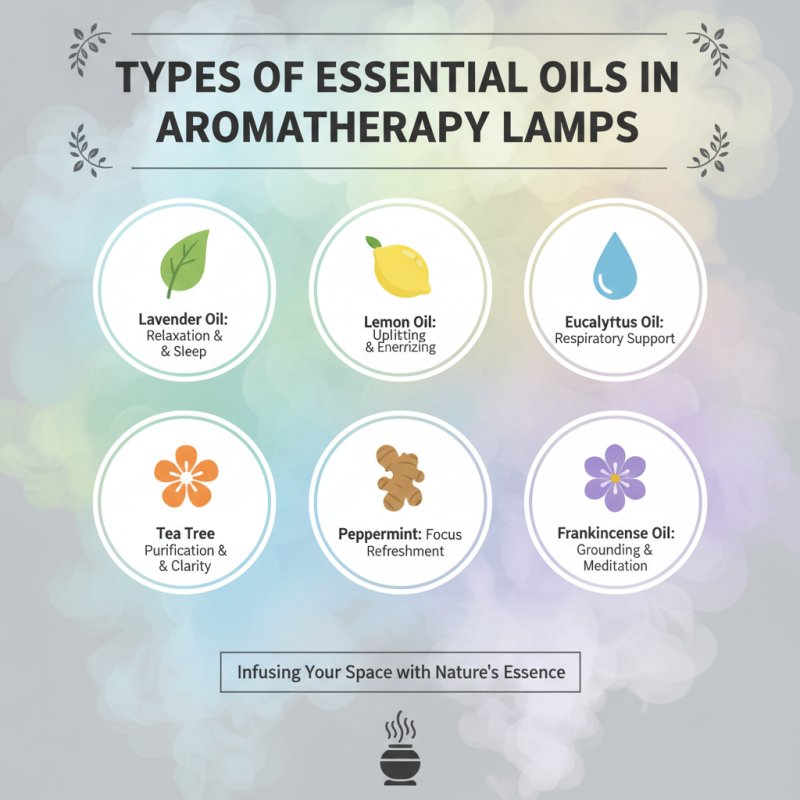
Types of Essential Oils Used in Aromatherapy Lamps
Aromatherapy lamps create a soothing atmosphere through essential oils. These oils play a vital role in enhancing the experience. Different types of essential oils serve distinct purposes, catering to various needs.
Lavender oil is renowned for its calming properties. It helps alleviate stress and promotes better sleep. Using lavender in an aromatherapy lamp fills the room with a gentle, relaxing scent. It's perfect after a long day. On the other hand, peppermint oil invigorates the senses. Its refreshing aroma can boost concentration and energy. A few drops in your lamp can transform your workspace into a lively environment.
Citrus oils like orange or lemon offer uplifting effects. They can enhance mood and revive dull spaces. However, not all oils work for everyone. Users should test different scents to see what resonates best. Some may find strong scents overly stimulating. Reflecting on personal preferences is key to an effective aromatherapy experience. Aromatherapy is a journey, not just a routine. Each session can reveal new insights into how different scents affect wellbeing.
Benefits of Using an Aromatherapy Lamp
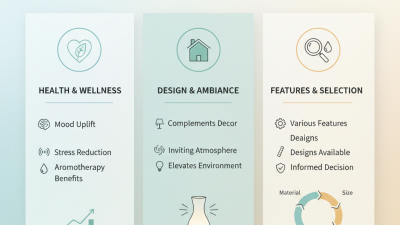
Using an aromatherapy lamp can significantly enhance well-being. These lamps disperse essential oils into the air, creating a calming environment. According to a recent survey by the National Center for Complementary and Integrative Health, nearly 38% of adults in the U.S. have tried aromatherapy at least once. The soothing scents may reduce stress and anxiety.
Aromatherapy lamps can also improve sleep quality. Lavender, for example, is known for its relaxing properties. A study published in the Journal of Clinical Psychiatry found that participants who used lavender essential oil reported better sleep quality than those who didn’t. Many users appreciate the gentle glow of the lamp, transforming any room into a peaceful retreat.
However, results can vary. Some people may find certain scents overwhelming. Others might have allergies or sensitivities. It’s crucial to choose essential oils carefully. Research shows individual responses to scents are subjective. Reflection on personal preferences is necessary for the best experience.
What is an Aromatherapy Lamp and How Does It Work? - Benefits of Using an Aromatherapy Lamp
| Feature |
Description |
| Functionality |
Heats essential oils, releasing fragrant vapors into the air. |
| Common Materials |
Glass, ceramic, or metal constructions. |
| Types |
Electric diffusers, candle-based lamps, and ultrasonic diffusers. |
| Health Benefits |
Improves mood, reduces stress and anxiety, promotes relaxation. |
| Usage Areas |
Living rooms, bedrooms, offices, yoga studios. |
| Safety Tips |
Use high-quality essential oils, keep away from children and pets. |