2026 Top Table Lamp Designs for Global Buyers Insights?
In the dynamic landscape of interior design, the table lamp stands as a quintessential element. As of 2023, the global table lamp market is projected to reach approximately $11 billion, highlighting its significance in home decor. Stylish and functional, table lamps play a vital role in adding ambiance. They are not just light sources but also pivotal in setting the tone of a room.
The 2026 market trends indicate a growing demand for sustainable materials. Buyers increasingly seek designs that incorporate eco-friendly elements. Additionally, the rise of smart home technology suggests an integration of advanced features in table lamp designs. This trend presents both opportunities and challenges for manufacturers. Brands must adapt quickly to maintain relevance in this competitive sector.
While innovations flourish, some designs may feel repetitive or lack practicality. A balance between aesthetics and functionality is crucial. Customer feedback often points to the need for improved usability. Recognizing these gaps can guide future design directions. Understanding these nuances helps buyers make informed choices, ensuring that their investments align with their needs and values in home lighting.
2026 Table Lamp Design Trends: A Global Perspective
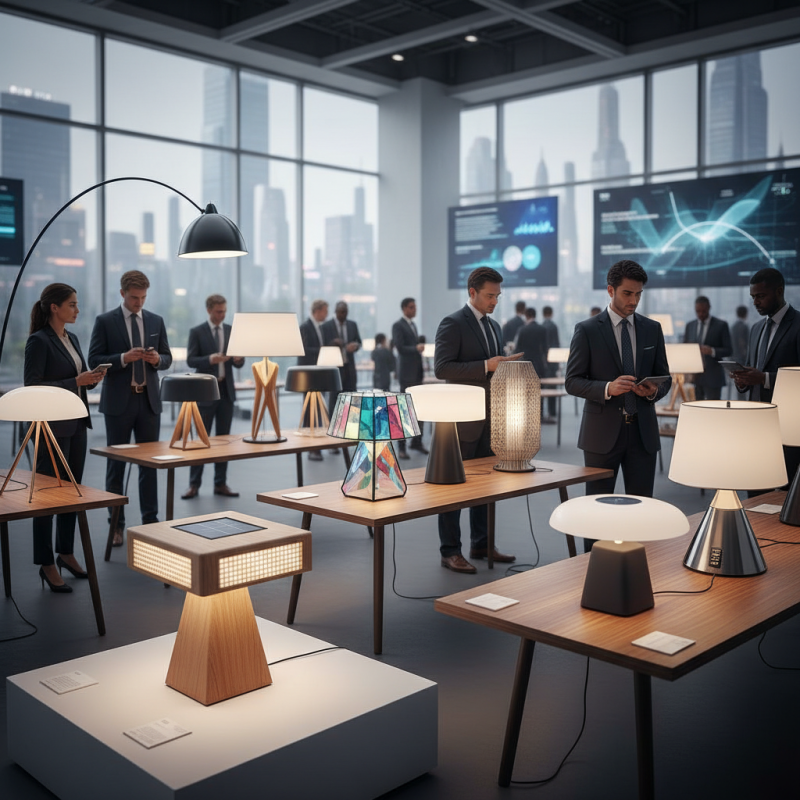
The 2026 table lamp design trends showcase a remarkable blend of innovation and artistry. Global buyers are keen on unique pieces that reflect individual taste. Designers are increasingly focusing on sustainable materials. Eco-friendly choices play a significant role in consumer decision-making. Lamps crafted from recycled glass and bamboo are gaining popularity. These materials enhance the aesthetic while minimizing environmental impact.
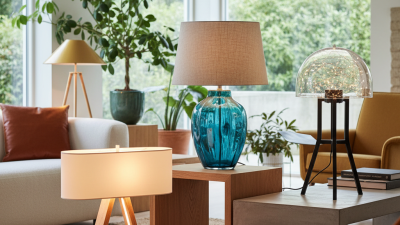
Color trends are shifting towards earthy tones and bold, vibrant hues. Warm terracotta lamps can create a cozy atmosphere in any room. In contrast, striking sapphire blues and emerald greens add a touch of sophistication. Many buyers want pieces that serve as conversation starters. Multifunctional lamps, like those with USB ports, are in high demand. They combine style with practicality, catering to modern needs.
Reflective surfaces, such as metals and mirrors, are also trending. They add depth and dimension, transforming spaces. However, some designs may prioritize form over function, leading to impracticality. Buyers must reflect on the balance between style and usability. As preferences evolve, staying informed about these trends will be crucial for making thoughtful design choices.
2026 Table Lamp Design Trends: A Global Perspective
Innovative Materials and Technologies in Lamp Design
The lamp design industry is witnessing a transformation driven by innovative materials and technologies. Recent studies indicate that 42% of designers are now experimenting with sustainable materials like bamboo and recycled metals. These materials not only reduce environmental impact but also add a unique aesthetic to the final product. For instance, bamboo can shift from a traditional look to a contemporary one based on design choices, catering to diverse market preferences.
Moreover, smart technology integration is redefining lamp functions. A report by the Lighting Research Center mentions that 30% of consumers prefer connected lighting solutions for their homes. This shift suggests that design must incorporate user-friendly interfaces and energy-efficient technologies. A lamp can now serve as more than just a light source; it becomes a part of a smart home ecosystem. Yet, there are challenges. Balancing innovative tech and user engagement can be tricky, as not every consumer is tech-savvy.
Finally, the exploration of luminescent materials is gaining traction. Designers are experimenting with phosphorescent and OLED technologies, allowing lamps to emit a soft glow without traditional power. Data reveals that 25% of new designs incorporate these materials, appealing to those seeking artistic yet functional designs. While these advancements are exciting, they raise questions about manufacturing costs and consumer education.
Cultural Influences on Table Lamp Aesthetics Worldwide
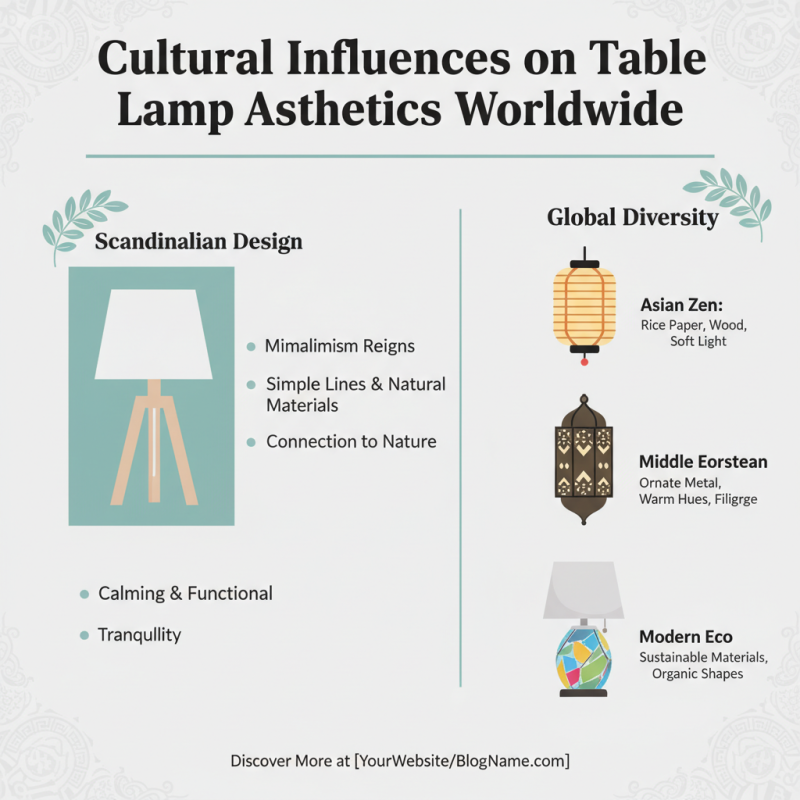
Cultural influences significantly shape table lamp aesthetics around the globe. In Scandinavian design, minimalism reigns. Simple lines and natural materials reflect a connection to nature. This aesthetic is calming yet functional. It invites an air of tranquility into any space.
In contrast, Asian designs often incorporate intricate details and vibrant colors. These lamps may feature traditional motifs or symbols. Each piece tells a story, resonating with local customs and beliefs. The emphasis here is on harmony and balance. They are not just light sources; they are art forms.
Western designs tend to embrace diverse styles. Many modern designs merge vintage and contemporary elements. This blending creates unique pieces, appealing to various tastes. However, in pursuing trends, there may be a tendency to overlook cultural significance. It raises questions about authenticity and respect for original designs. Balancing innovation with tradition remains an ongoing challenge for designers worldwide.
Sustainability Practices in Modern Table Lamp Production
Sustainability has become a central focus for the table lamp industry. In recent years, a significant push for eco-friendly practices has emerged. A report from the International Lighting Association noted that over 70% of manufacturers now prioritize sustainable materials. This shift highlights a growing awareness of environmental impact across the production lifecycle.
Many companies are adopting recycled materials. For instance, lamps made from reclaimed wood or aluminum are gaining popularity. This not only reduces waste but also fosters a circular economy. According to a study by the Global Lighting Market Research Group, around 40% of consumers are willing to pay more for sustainable products.
However, challenges remain. Sourcing truly sustainable materials can be complex. Some manufacturers struggle with transparency in their supply chains. Others grapple with balancing cost and quality while seeking eco-friendly options. Consumers express a desire for transparency but often find it lacking. The industry must address these issues to meet evolving consumer expectations and make meaningful progress toward sustainability.
2026 Top Table Lamp Designs for Global Buyers Insights - Sustainability Practices in Modern Table Lamp Production
| Design Style |
Material |
Energy Efficiency |
Recyclability |
Sustainable Practices |
| Minimalist |
Bamboo |
LED Lighting |
100% Recyclable |
Responsible Sourcing |
| Industrial |
Recycled Metal |
High Efficiency |
80% Recyclable |
Low Waste Manufacturing |
| Retro |
Glass |
Energy Saving LED |
100% Recyclable |
Vintage Sourcing |
| Contemporary |
Concrete |
Smart LEDs |
70% Recyclable |
Eco-friendly Packaging |
| Scandinavian |
Wood |
LED Technology |
85% Recyclable |
Local Production |
Consumer Preferences and Buying Behavior for Table Lamps
As table lamps continue to evolve, consumer preferences reveal fascinating insights. According to a recent report by the International Lighting Association, 75% of buyers prioritize functionality over aesthetics when choosing lamps. This shift emphasizes the need for designs that cater to daily usage while still being visually appealing.
Energy efficiency has become a critical factor for many consumers. A survey conducted by the Home Lighting Council indicated that 60% of participants prefer LED options for their longevity and reduced energy consumption. This trend demonstrates a significant move toward sustainable choices that also lower utility bills. However, some consumers still struggle to appreciate the benefits, showing a gap in awareness that manufacturers must address.
Design preferences vary widely amongst demographics. Younger buyers often lean towards minimalistic styles, while older generations may favor traditional looks. This divergence calls for adaptive marketing strategies that resonate with different age groups. Recognizing these distinctions can better meet customer needs, yet failing to do so may leave gaps in the market. The challenge lies in balancing diverse tastes with the growing demand for innovative functionality.