2026 Top Lamp Wax Warmer Trends You Should Know About?
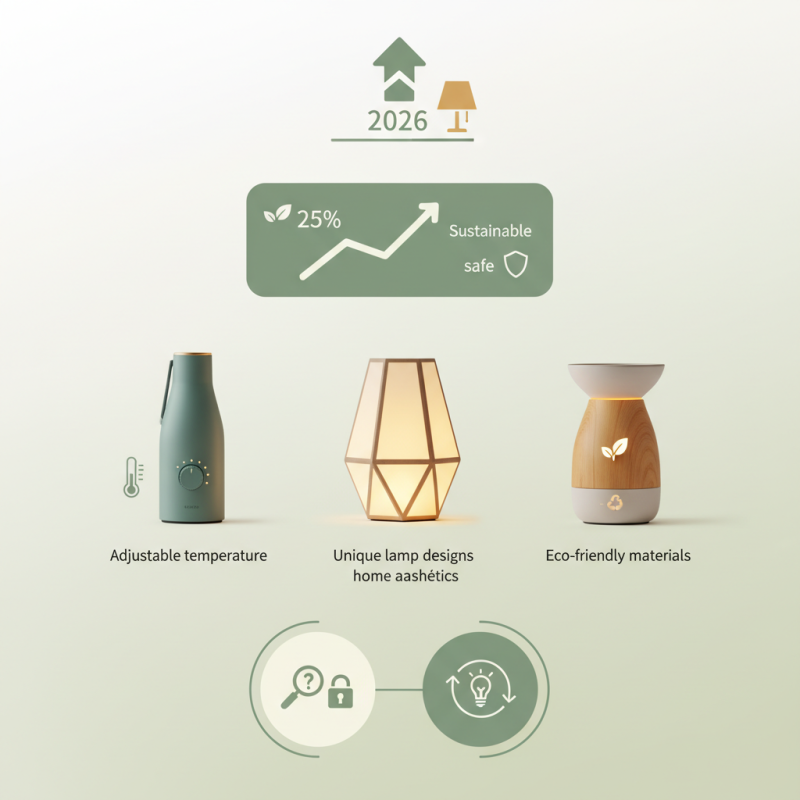
As we approach 2026, the "Lamp Wax Warmer" industry is undergoing significant transformations. Recent data from the Home Fragrance Association indicates that the market for wax warmers has seen a remarkable 25% rise in demand over the past two years. This trend reflects a growing consumer preference for sustainable and safe home fragrance alternatives. Jeremy Brown, a leading expert in the home fragrance sector, states, “The Lamp Wax Warmer is not just a product; it's a lifestyle choice that promotes wellness in the home.”
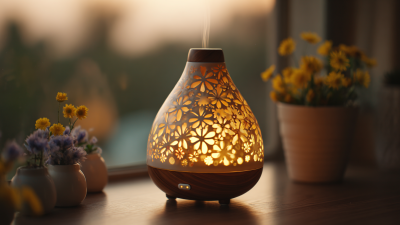
The latest designs in lamp wax warmers feature innovative technology that enhances their appeal. They now include adjustable temperature settings and unique lamp designs that complement various home decor styles. These products are becoming a focal point in home aesthetics. Additionally, the industry's focus on eco-friendly materials is reshaping how consumers perceive traditional fragrance options. However, this rapid growth also raises questions about quality control and product safety standards.
While the future looks bright for lamp wax warmers, industry players must remain vigilant. Addressing consumer concerns about longevity and performance is crucial. As the market evolves, those in the industry must continuously innovate. Only by doing so can they maintain consumer trust and ensure lasting success in the lamp wax warmer landscape.
2026 Innovative Designs in Lamp Wax Warmers to Watch
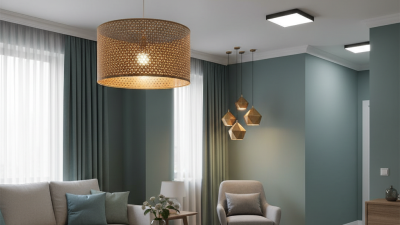
The trend for lamp wax warmers in 2026 showcases an evolution in design and functionality. As consumers seek more personalized home aesthetics, expect a shift towards minimalistic styles. Clean lines and simple forms will dominate. Soft pastel colors and earthy tones create a soothing atmosphere. Warmers that double as art pieces will catch attention, blurring the line between utility and decoration.
Innovative features will emerge, such as adjustable lighting. This allows users to set the mood effortlessly. Some designs will include removable wax chambers for easy cleaning. Others might feature integrated timers for convenience. While technology improves functionality, there's a risk of over-complicating simple pleasures. Users may find themselves overwhelmed by choices.
Sustainability will also be a key focus. Eco-friendly materials will become more prevalent. Look for warmers made from reclaimed wood and recycled glass. However, challenges in sourcing genuine sustainable materials may arise. The balance between style and environmental responsibility will be crucial. Consumers might need to reflect on their choices and the impact on the planet.
Popular Materials for Wax Warmers in 2026
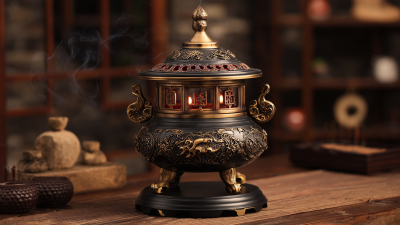
In 2026, the materials used for lamp wax warmers are evolving. One popular choice is ceramic. Its sleek finish and ability to retain heat make it ideal. Ceramic warmers come in various colors and designs. This gives users a chance to find unique styles that fit their home decor. However, they can be quite fragile. Dropping one can lead to a costly mistake.
Metal is another trending material. Stainless steel and aluminum offer durability and a modern look. These materials withstand high temperatures well. They are also easy to clean. Yet, some users note that metal warmers can get too hot to handle. This raises safety concerns and requires careful usage.
Glass warmers are also making waves. They provide an elegant touch to any room. Their transparency allows the vibrant colors of wax to shine through. Still, they are also breakable. Many users report accidents that result in shattered pieces. The choice of material impacts not only style but also functionality and safety. Finding the right balance can be a challenge.
Eco-Friendly Trends in Lamp Wax Warmers
As we move toward 2026, eco-friendly trends in lamp wax warmers are set to redefine home ambiance. These warmers are made from sustainable materials, including bamboo and recycled metals. Not only do they look stylish, but they also reduce our carbon footprint. When you choose eco-friendly wax warmers, you contribute to a greener planet.
Many consumers are drawn to plant-based wax substances. These replace traditional petroleum-based wax, offering a non-toxic option for fragrance enthusiasts. Availability is growing, yet not all brands prioritize this innovation. Some products still contain harmful chemicals, which might go unnoticed. It's essential to research and understand the materials used.
Additionally, energy efficiency is becoming a focal point. Warmers that consume less electricity are emerging in the market. Using LED technology, these products provide a warm glow with lower energy consumption. This shift is not perfect; some designs may still overheat. We must reflect on these imperfections and continue to push for better options. With every purchase, consumers have the power to drive change and promote sustainable living in their homes.
Tech Integration in Wax Warmers: Smart Features for 2026
As we approach 2026, the integration of technology in wax warmers is skyrocketing. Smart features are transforming how we enjoy fragrance at home. Reports indicate that over 40% of households are interested in smart home devices, and wax warmers are no exception. Energy-efficient designs, app connectivity, and voice control are now common. These innovations enhance user experience and offer seamless operation.
Remote access is a game changer. Users can control their wax warmers from anywhere. Imagine adjusting settings while away from home. Data shows that smart appliances can help save up to 15% on energy bills. These features reflect a growing preference for convenience. Yet, some consumers may struggle to navigate complex apps. This calls for clear user guidelines to ensure enjoyment.
Tip: Look for wax warmers with intuitive interfaces.
Many new products prioritize safety, incorporating automatic shut-off features. While this adds a layer of security, some might find the technology overwhelming. Balancing tech with simplicity is essential. Smart wax warmers should enhance relaxation, not complicate it.
Tip: Consider a unit that blends aesthetics with functionality.
2026 Top Lamp Wax Warmer Trends You Should Know About
| Trend |
Description |
Smart Feature |
Energy Efficiency |
| Wireless Control |
Control your wax warmer from anywhere using a smartphone app. |
Remote operation via app |
Low energy consumption |
| Voice Activation |
Integrates with smart speakers for hands-free control. |
Voice command support |
Energy-efficient heating elements |
| Enhanced Safety Features |
Automatic shut-off and overheat protection. |
Safety alerts via app |
Reduces overall power usage |
| Customizable Light Settings |
Adjustable brightness and color settings through an app. |
Color changing based on mood |
Highly efficient LED lighting |
| Scent Dispersion Technology |
Improved methods for evenly distributing fragrance. |
Timed scent release |
Maximizes scent longevity |
Color and Scent Combinations: What’s Trending in 2026 Wax Warmers
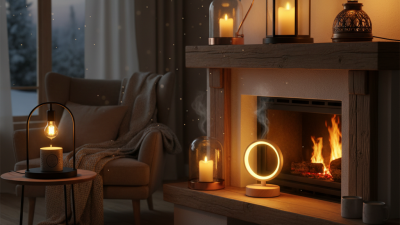
As we look into 2026, the world of wax warmers is evolving with exciting color and scent combinations. Industry reports indicate a surge in pastel shades, especially soft blues and gentle pinks. These colors are not just aesthetics; they're linked to enhancing relaxation. Today’s consumers seek calming environments, and colors have a significant impact on mood.
Scent profiles are diversifying. Fresh, clean fragrances like linen and ocean breeze are becoming popular. These scents evoke feelings of tranquility. Meanwhile, warm scents like vanilla continue to have a strong following. A recent survey shows that 65% of consumers prefer scents that create a cozy atmosphere. This trend reveals a unique blend of nostalgia and comfort in modern homes.
Another intriguing trend is the pairing of unexpected scents. Citrus with earthy tones or floral scents mixed with spice are gaining popularity. Such combinations challenge traditional notions of scent. They allow users to create personal atmospheres that reflect their unique identities. However, not all pairings resonate. Some combinations fail to deliver the expected harmony, leading consumers to rethink their choices. It's a landscape where experimentation is both encouraged and requires careful consideration.