2026 Top Ceiling Lamp Trends You Need to Know?
As we approach 2026, the ceiling lamp industry is witnessing exciting transformations. Experts like Paul Wright, a renowned lighting designer, believe, "Ceiling lamps are not just about illumination; they shape our living spaces." This perspective highlights the evolving role of ceiling lamps in interior design.
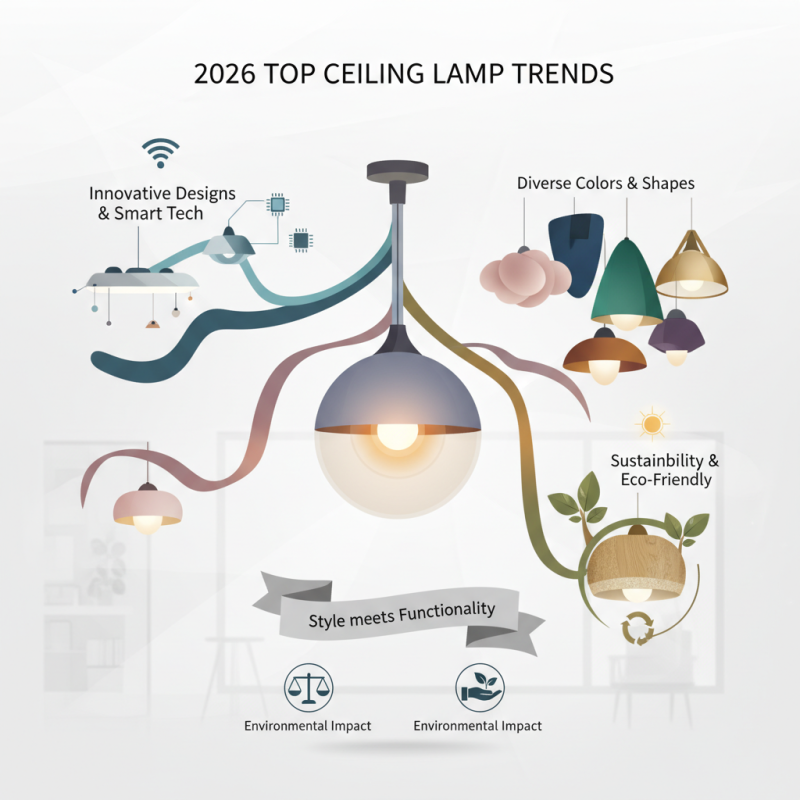
In the coming years, we expect to see innovative designs and smart technology integrated into ceiling lamps. Colors and shapes will diversify, catering to various aesthetics. Some trends may feel overwhelming or even impractical, raising questions about their long-term appeal. The challenge lies in balancing style with functionality, ensuring that ceiling lamps enhance spaces without compromising comfort.
Finally, sustainability is becoming crucial. Consumers increasingly seek eco-friendly options that do not sacrifice aesthetic value. As we explore the ceiling lamp trends of 2026, it is essential to remember that true beauty lies in thoughtful design. Each choice we make in lighting directly impacts our environment and mood.
Emerging Materials in 2026 Ceiling Lamp Designs
Ceiling lamps are evolving, embracing new materials that transform interiors. In 2026, designs will highlight eco-friendly options, blending style and sustainability.
Expect to see more ceramics and recycled metals featured prominently in lighting designs. These materials not only look good but also reduce environmental impact.
Natural fibers like bamboo and hemp are gaining traction too. Their organic textures add warmth and character to spaces.
Adding lamps made from these materials can create a cozy atmosphere. Yet, they may require more care to maintain their beauty over time.
When choosing materials for ceiling lamps, consider your space. Natural elements work well in warm, inviting rooms.
On the other hand, sleek metals suit modern, minimalist settings. Experimenting with different textures can lead to unexpected but delightful results.
Always remember to match your lamp with the room’s overall vibe for best effect.
Popular Color Schemes Influencing Ceiling Lamp Trends
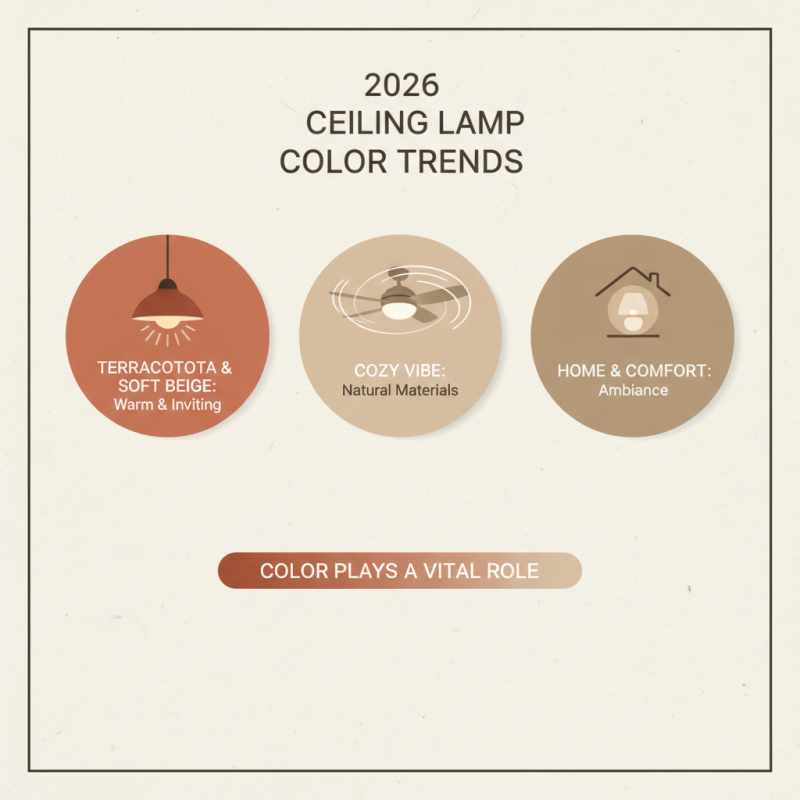
When it comes to 2026 ceiling lamp trends, color plays a vital role. Popular color schemes influence the overall ambiance. Warm shades like terracotta and soft beige create inviting spaces. These tones pair well with natural materials, offering a cozy vibe. They remind us of home and comfort.
Conversely, bold colors are making waves. Rich jewel tones like emerald green and sapphire blue catch the eye. Such colors can create dramatic statements in modern interiors. However, using them requires a careful touch. Too much can overwhelm a room.
Pastel colors remain popular, too. Soft pinks and light blues evoke a serene atmosphere. They can brighten up a room without being too flashy. Mixing these shades with metallic finishes can add a touch of elegance. The challenge lies in balancing these elements for cohesion. Wrong combinations can lead to an unpolished look.
Innovative Lighting Technologies for Modern Ceiling Lamps
Innovative lighting technologies are shaping modern ceiling lamps. Smart lighting systems integrate seamlessly into homes. Imagine adjusting your ceiling lamp’s brightness with a voice command. This level of convenience is becoming the norm. Voice-activated systems can create the perfect atmosphere for any occasion. Whether it's a cozy dinner or a lively party, flexibility is key.
Energy-efficient LED bulbs are another game-changer. These bulbs consume less power while providing excellent illumination. They have longer lifespans compared to traditional bulbs. However, the array of color temperatures can be overwhelming. Choosing the right hue for your space may require experimentation. Not all homeowners realize the impact of light on mood and productivity.
Moreover, some ceiling lamps now include built-in sensors. These detect natural light levels and adjust accordingly. This technology can reduce energy costs. Yet, it may not always work flawlessly in every room. Shadows can create unpredictable lighting effects. Homeowners should test the setup to ensure it meets their needs. Embracing these innovations can elevate any living space.
Sustainable and Eco-Friendly Ceiling Lamps in 2026
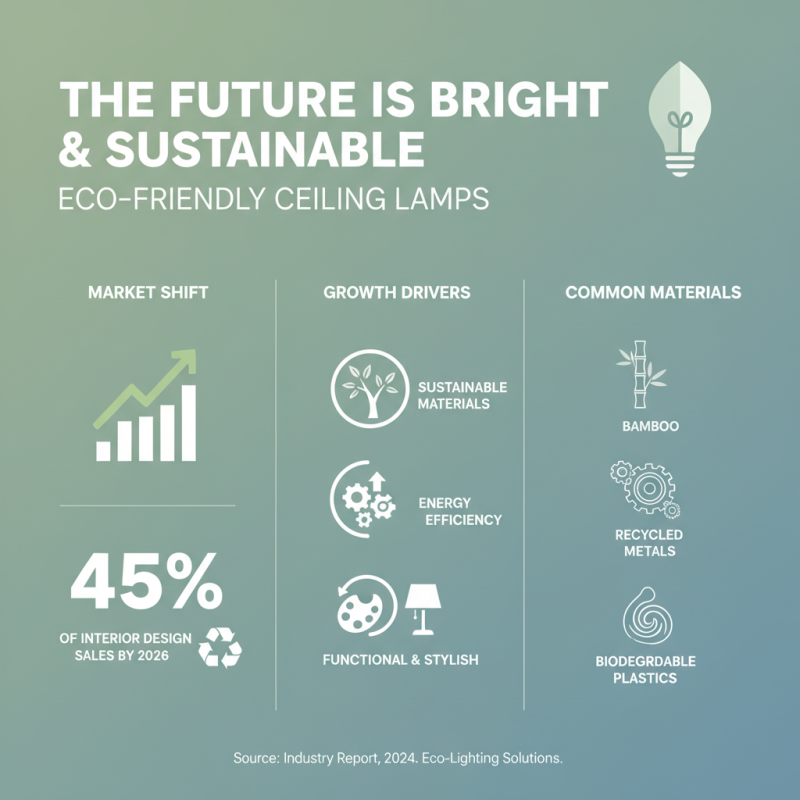
As the world shifts toward sustainability, the ceiling lamp industry is evolving. By 2026, eco-friendly lighting solutions will dominate the market. A recent report indicates that eco-friendly lamps are projected to account for 45% of total sales in the interior design sector. These lamps often use sustainable materials such as bamboo, recycled metals, and even biodegradable plastics. They are not just functional but also stylish.
Energy efficiency is another vital aspect. Many consumers are now looking for options that reduce their carbon footprints. LED technology is a strong candidate here. It reportedly uses up to 75% less energy than traditional bulbs. Furthermore, LEDs have a longer lifespan, which reduces waste. However, the challenge remains that not all consumers are aware of the benefits of switching to eco-friendly options.
Design is essential as well. Sustainable designs need to be visually appealing. Some new trends feature intricate shapes and stylish installations. However, manufacturers face the dilemma of balancing aesthetics with eco-friendly materials. Finding the right mix is crucial but often complicated. As interest in sustainable products grows, the ceiling lamp market must adapt or risk losing relevance.
Design Inspirations Shaping Ceiling Lamp Aesthetics and Functionality
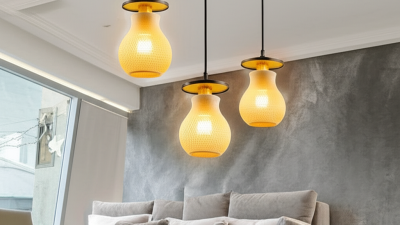
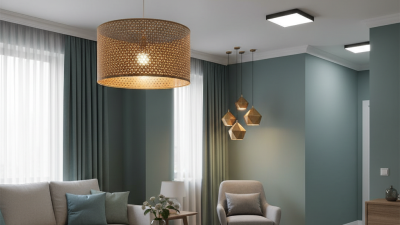
Ceiling lamps are evolving. They are not just light sources anymore. Their design is becoming a statement piece in homes. In 2026, we see a blend of form and function that excites. Textured materials like woven rattan bring a natural touch indoors. At the same time, sleek metallic finishes offer a modern flair.
Color palettes are shifting too. Earthy tones like terracotta and moss green are popular choices. These shades help create a cozy atmosphere. Oversized fixtures are making bold statements. They draw attention without overwhelming the space. However, poor placement can look cluttered. It's crucial to balance size with room dimensions.
Moreover, versatility is key. Multi-functional lamps serve as art and light. Some designs include adjustable arms or integrated shelves. While these innovations sound impressive, implementation can be tricky. Understanding your space is essential before selecting a light fixture. Lighting should enhance the room, not dominate it. Reflect on how your choices will impact the overall aesthetic.
2026 Top Ceiling Lamp Trends You Need to Know
| Trend |
Description |
Key Features |
Materials |
Color Palette |
| Smart Ceiling Lights |
Integration with smart home systems for convenience and control. |
Voice control, app connectivity, customizable brightness and colors. |
Metal, plastic, glass. |
White, warm yellow, color-changing options. |
| Minimalist Designs |
Simplicity and streamlined aesthetics for modern interiors. |
Geometric shapes, hidden fixtures, clean lines. |
Wood, metal, acrylic. |
Neutral tones, pastels. |
| Eco-Friendly Materials |
Sustainable materials and energy-efficient designs for eco-conscious consumers. |
LED technology, recycled materials, energy-saving options. |
Bamboo, glass, recycled metals. |
Earth tones, greens. |
| Vintage Industrial Styles |
Retro and industrial elements combining to create a unique aesthetic. |
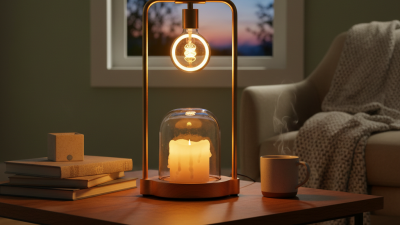
Exposed bulbs, metal finishes, rustic design. |
Iron, brass, glass. |
Black, bronze, amber. |
| Artistic Sculptural Lights |
Ceiling lamps that double as art pieces for visual impact. |
Unique designs, custom art, creative use of space. |
Resins, metals, fabric. |
Bold colors, metallic finishes. |